

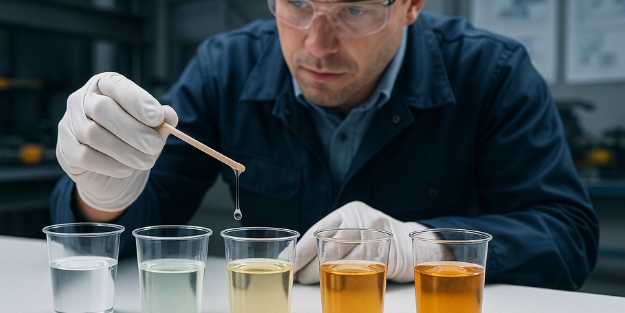
How to pick the right MR. JO modified hardener — a practical, site-ready selector
How to pick the right MR. JO modified hardener — a practical, site-ready selector
Imagine Ravi, the site supervisor for a busy commercial flooring job: it’s hot and humid, the owner wants a glossy finish, the production line must be back the next morning, and the concrete deck is not perfectly dry. Which hardener does he choose so the job finishes on time and lasts? That’s the real question every applicator, flooring contractor and specifier faces — and why smart hardener selection matters more than you think.
Below is a technical-but-readable guide that walks you through the Jpoxy modified / speciality hardener range and helps you choose the right grade quickly. All products are available in project-friendly, site-friendly pack sizes (1 / 5 / 10 / 20 kg options typically), so you can buy what you need without the headache of 200-kg drums.
Start with the job, not the chemistry
First, decide the project’s primary requirement — pick one:
- Decorative / ultra-clear finish
- Large-area flooring (durable, glossy, blush-resistant)
- Fast turnaround / rapid repairs / injection grouts
- Moisture or poorly prepared substrates
- High chemical resistance / marine exposure
- High filler or mortar systems
Match the need to one of the MR. JO hardeners below:
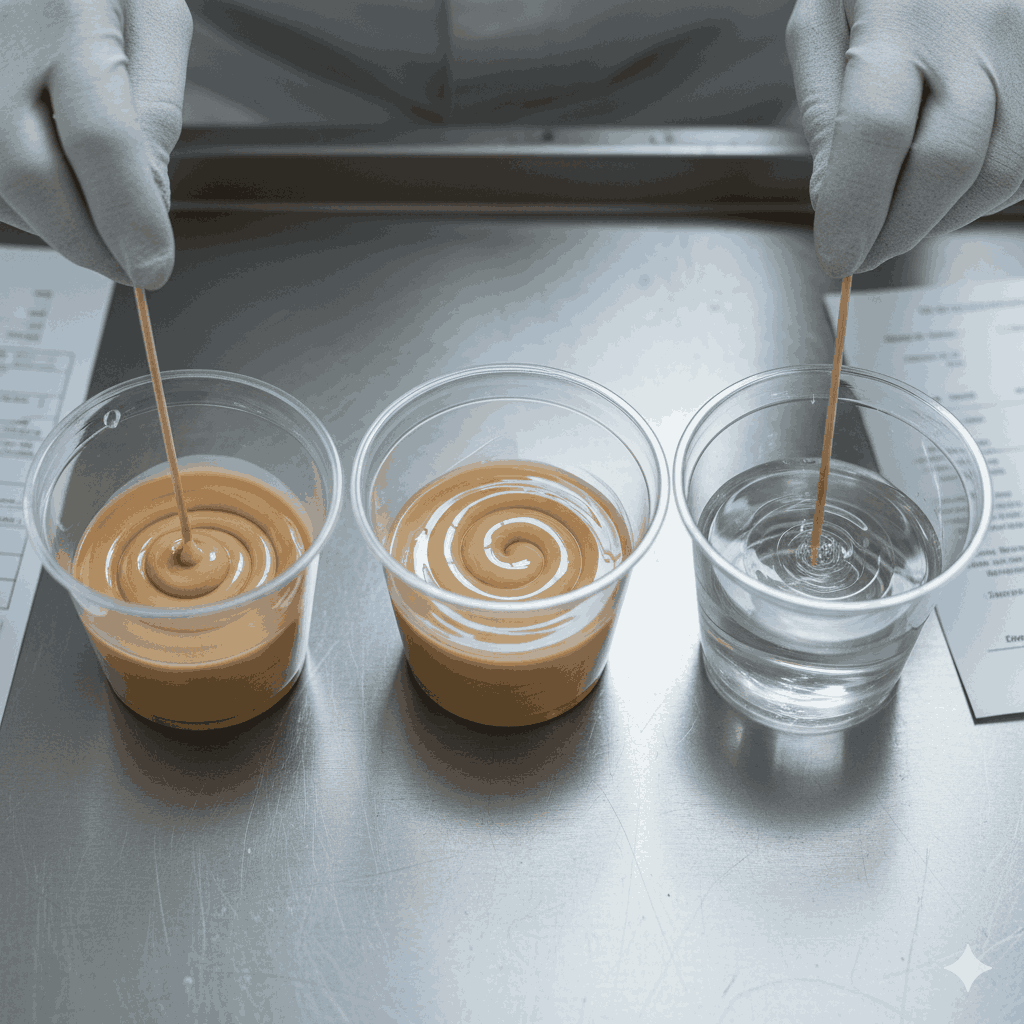
Flooring & high-gloss systems
JH 1001 — the baseline flooring hardener (50 phr; 100–500 mPa·s).
Use when you need a high-gloss, blush-resistant finish in hot/humid climates. It’s the safe, high-performance default for most commercial floors.
JH 1010 — cold / fast accelerator (50 phr; 200–600 mPa·s).
When temperatures drop or you need quicker turnaround, blend JH 1010 with JH 1001 to accelerate cure without losing gloss. Handy for projects spanning seasons.
JH 1030 / JH 1039 — chemical-resistant upgrades.
If the floor will see solvents, fuels or aggressive chemicals, JH 1030 (aromatic polyamine) is a strong choice. For extreme chemical exposure choose JH 1039 (high-hardness adduct) — expect shorter pot life and higher final hardness.

Primers, grouts & repair mortars
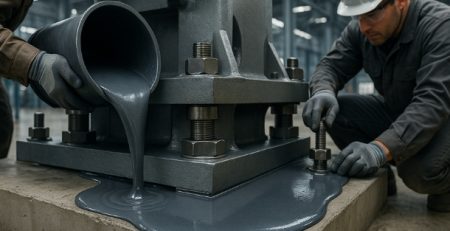
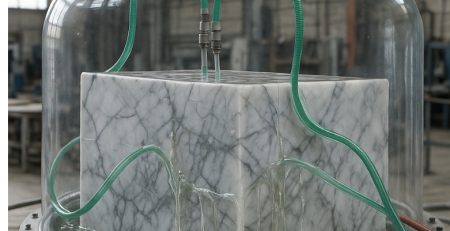
JH 1055 — low-viscosity, fast primer & grout hardener (40 phr; 350–750 mPa·s). Use for priming and injection grouts where wetting and quick strength are crucial.
JH 1052 — medium/high-viscosity, filler-friendly (40 phr; 10,000–20,000 mPa·s). Ideal for trowel-applied repair mortars and heavy screeds — holds fillers and gives great build.
JH 1050 — adhesion promoter for poorly prepared or sand-blasted substrates (60 phr; 900–1,800 mPa·s).
JH 1059 — very fast-setting (18 phr; 100–250 mPa·s). Use for emergency repairs and rapid-grout applications; expect quick strength gain and short working time.
Moisture / submerged conditions
JH 1053 — the specialist for wet and submerged work (40 phr; 1,200–1,600 mPa·s). If you must bond, grout or repair in the presence of moisture — this is the grade engineered to cure reliably without drying the substrate first.
Decorative / clear coat work
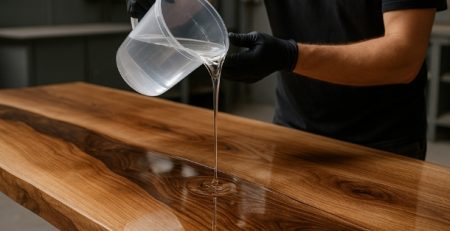
JH 8357 — ultra-clear, low-colour, bubble-friendly (45 phr; ~150–350 mPa·s). The go-to for crystal-clear topcoats and glossy decorative floors when clarity and low colour matter.
JH 8347A — modified cycloaliphatic (60 phr; 350–500 mPa·s). Use where low yellowing and improved chemical resistance for clear coats are required.
Marine & specialty applications
JH 1040 — coal-tar polyamine (100 phr; 1,250–1,500 mPa·s). Classic choice for heavy saltwater exposure, long-life marine protection and waterproofing systems. Use where legacy coal-tar chemistries are specified.
JH 1057 — low-colour, water-wipeable tile-grout hardener (50 phr; 500–1,000 mPa·s). Designed for grouts that must be wiped clean with minimal staining.
Quick decision rules (on-site checklist)
- Need clarity/bubble control? → JH 8357 or JH 8347A.
- Hot, humid flooring with gloss requirement? → JH 1001 (accelerate with JH 1010 if cold).
- Fast repair or grouting? → JH 1059 or JH 1055.
- Wet/damp substrate? → JH 1053 or JH 1050 (adhesion promoter).
- Chemical tanks / fuel exposure? → JH 1030 or JH 1039.
- High filler, mortar or screed? → JH 1052.
Practical tips for success
- Trial before scale-up. Always do a 1–5 kg site trial to validate pot life, film appearance and exotherm with your chosen resin and filler.
- Match viscosity to application. Low-viscosity grades wet and penetrate better; high-viscosity grades hold fillers and resist sag.
- Use project packs. Buy the 1 / 5 / 10 / 20 kg site packs to avoid waste and speed logistics — they’re easier to handle and reduce on-site mistakes.
- Blend smartly. If conditions vary, small blends (e.g., JH 1001 + JH 1010) let you tune reactivity without reformulating.
Bottom line
Choosing the right hardener is the single easiest way to prevent callbacks, reduce rework and deliver the finish your client expects. Use this guide to match the MR. JO hardener to the job requirement, run a small site trial, and order the appropriate site-friendly pack.


Leave a Reply