Blog

Epoxy Floor Topcoats

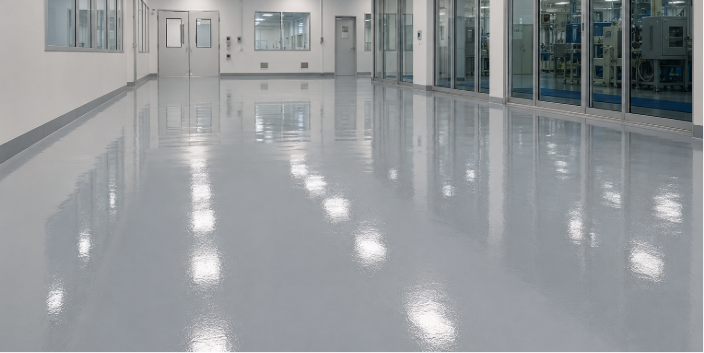
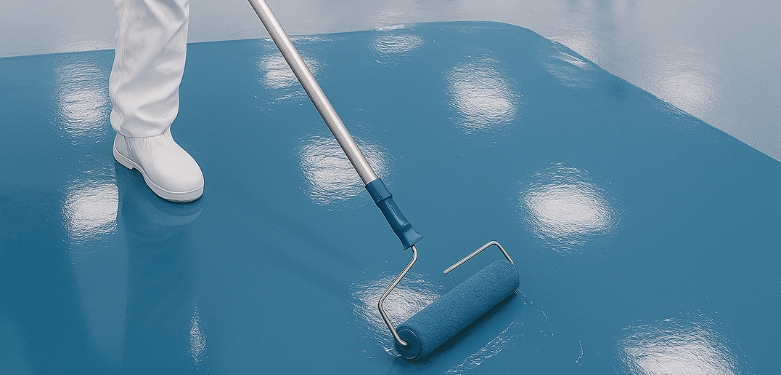
The Topcoat Is the Floor Your Business Experiences Every Day Often referred to as epoxy flooring, epoxy floor coating or epoxy floor paint, the topcoat is the finished layer of an epoxy flooring system. It is the surface people walk on, forklifts travel across, machines operate...
Floor Repairs Before Epoxy Flooring

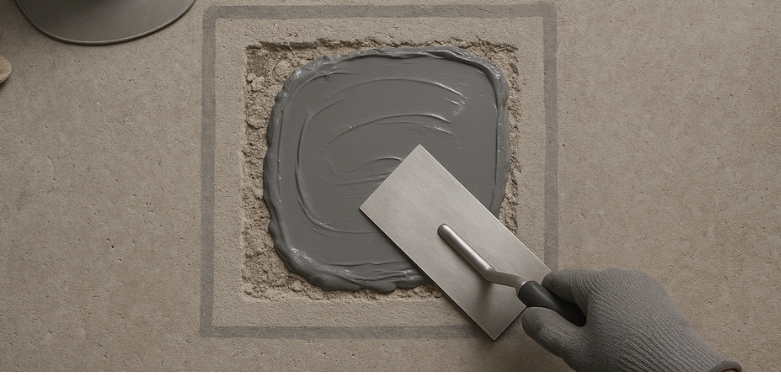
A Successful Epoxy Floor Begins with a Properly Repaired Concrete Floor When planning an epoxy flooring project, attention usually goes to the final colour, thickness and appearance. However, long-term performance is often decided much earlier. Cracks, potholes, damaged edges, uneven levels, porous concrete, contamination and moisture should...

Floor Underlays & Screeds

Not every millimetre in a flooring system performs the same job. Two flooring quotations may both describe a "3 mm epoxy floor", yet the flooring systems beneath that final surface can be very different. One may consist almost entirely of an expensive self-levelling epoxy, while another...

Flooring Primers

Choosing the Right Primer Starts with Understanding the Floor You're Working On Every flooring project begins with a substrate, but no two substrates are the same. Newly cast concrete, existing warehouse floors, porous or dusty concrete, damp surfaces and existing epoxy floors each present different challenges. Problems...

Antistatic Epoxy Flooring Systems Engineered Flooring Systems for Controlled Static Dissipation

Antistatic flooring is not defined by a conductive coating alone. Its long-term electrical performance depends on every layer of the flooring system—from substrate preparation and surface repairs to copper grid installation, conductive primer application and the final flooring layer. Whether the project requires a conductive floor...

MR. JO Underlay – iTMP How Fast-Curing Epoxy Screeds Help Reduce Industrial Downtime

In today’s manufacturing environment, downtime is often more expensive than the flooring material itself. Every additional hour spent waiting for repairs to cure can delay production, disrupt operations and increase maintenance costs. This is why fast-curing epoxy screeds have become increasingly popular for industrial floor repairs...

MR. JO Protectokot – CRH Why Chemical Resistant Protective Coatings Are Essential for Industrial Plants

Industrial facilities are designed to withstand demanding operating conditions, but many of the chemicals used during manufacturing can slowly attack unprotected concrete and steel. Acids, alkalis, solvents and aggressive process chemicals may not cause immediate damage, but repeated exposure can gradually weaken surfaces, increase maintenance...

MR. JO Matrix – SF How Carbon and Glass Fibre Wrapping Can Extend the Life of Concrete Structures

Concrete is one of the most durable construction materials ever developed, but no structure is designed to last forever. Over time, increasing loads, environmental exposure, corrosion, design changes and ageing can reduce the strength and serviceability of reinforced concrete structures. Instead of demolishing and rebuilding, engineers...