

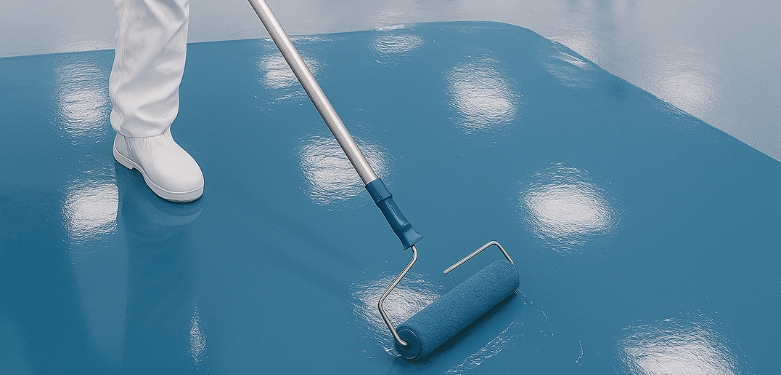
Epoxy Floor Topcoats
The Topcoat Is the Floor Your Business Experiences Every Day
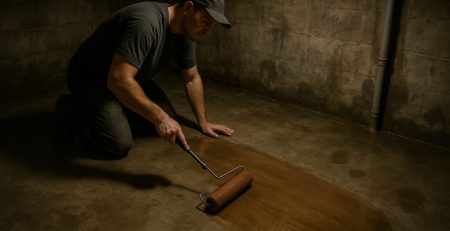
Often referred to as epoxy flooring, epoxy floor coating or epoxy floor paint, the topcoat is the finished layer of an epoxy flooring system. It is the surface people walk on, forklifts travel across, machines operate on and production depends upon every day.
While the primer creates the bond and the underlay builds the foundation where required, the topcoat provides the seamless working surface, protects the flooring system beneath and delivers the required long-term performance.
A good epoxy floor is not defined by its thickness, gloss or cost. It is defined by how well it performs for the work it is expected to do.
Choose the Performance You Expect From Your Epoxy Floor
I Need a Clean, Seamless Industrial Floor
I need an epoxy floor that performs reliably every day.
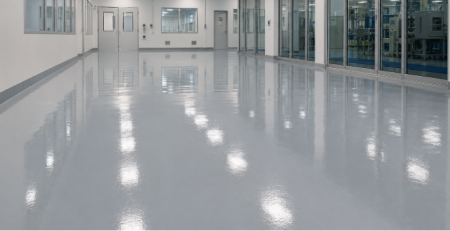
For factories, warehouses, engineering workshops and commercial facilities, the objective is usually a seamless, coloured, easy-to-clean floor that reduces dust, improves housekeeping and performs under normal industrial use.
Depending on substrate condition and finished-floor requirements, this can be achieved using an epoxy floor coating or self-level flooring system. Neither is universally better; each is designed for different performance requirements.
Mr. Jo Insight:
Choose the floor for the work it is expected to do—not for the amount of epoxy it contains.
Mr. Jo Options
Epoxy Floor Coating
Self-Level Flooring Systems
- Mr. Jo Eco Floor — 0.5 mm, 1 mm and 2 mm systems
- Mr. Jo Self Level Flooring Series
Continue Exploring: Product Pages | Product FAQ | Technical Data Sheets
Related: Epoxy Primers | Underlays & Screeds | Epoxy Flooring Systems
I Need a Smoother Epoxy Floor
When should I choose a self-level floor?
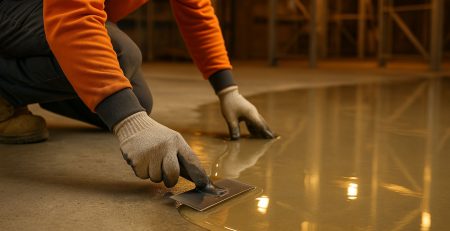
A self-level floor creates a smoother and more uniform working surface. The required thickness depends on floor usage and the condition of the substrate beneath it.
A well-prepared concrete floor with a properly finished underlay may require only a thin self-level application. Where greater build or different performance is required, thicker systems may be appropriate.
If the concrete or underlay is uneven, levels should generally be corrected before applying the topcoat rather than expecting the self-level floor to compensate for poor preparation.
Mr. Jo Insight:
A self-level floor perfects the surface beneath it. The better the preparation below, the better the floor above.
Mr. Jo Options
- Mr. Jo Eco Floor
- Mr. Jo Self Level Flooring Series
Continue Exploring: Product Pages | Product FAQ | Technical Data Sheets
Related: Surface Preparation | Underlays & Screeds
My Floor May Be Exposed to Chemicals
“Will a standard epoxy floor be enough?”
Epoxy floors offer good resistance in many industrial environments. However, facilities exposed to acids, alkalis, solvents or aggressive process chemicals may require specialised protection.
Before selecting a system, identify what is likely to come into contact with the floor. Not every facility needs specialised chemical resistance, but every process should be evaluated against its flooring requirements.
Mr. Jo Insight:
The right question isn’t “Which chemical-resistant product should I buy?” It’s “What is likely to be spilled on my floor?”
Mr. Jo Options
Chemical Resistant Self-Level Flooring
- Mr. Jo CRSL Flooring Series
Chemical Resistant Floor Coatings
- Mr. Jo Protectokot CR
- Mr. Jo Protectokot CRH
- Mr. Jo Protectokot CSA
- Mr. Jo Protectokot HBCR
- Mr. Jo Floorkot CMR
Continue Exploring: Product Pages | Product FAQ | Technical Data Sheets
Related: Chemical Resistant Epoxy Flooring
My Process Requires Antistatic Flooring
“Static electricity is part of my flooring specification.”
Electronics manufacturing, assembly areas, laboratories and other static-sensitive environments may require flooring that controls electrostatic discharge while maintaining epoxy flooring durability and hygiene.
The objective is not a different-looking floor, but a floor engineered to perform differently.
Mr. Jo Insight:
Specify antistatic flooring because your process requires it—not because every industrial floor needs it.
Mr. Jo Options
- Mr. Jo ASL Flooring Systems
- Mr. Jo Floorkot AS
Continue Exploring: Product Pages | Product FAQ | Technical Data Sheets
Related: Antistatic Epoxy Flooring
I Want to Protect the Floor I’ve Already Built
Should I apply a clear topcoat?
Sometimes the requirement is not a new floor, but protecting and extending the life of an existing floor.
A clear epoxy topcoat can provide an additional protective layer over an existing coloured epoxy floor, enhance its appearance and make future refurbishment easier.
Mr. Jo Insight:
The clear coat protects the floor. The coloured floor continues to do the work.
Mr. Jo Option
Continue Exploring: Product Page | Product FAQ | Technical Data Sheet
Different Parts of My Facility Do Different Jobs
“Should every area have the same epoxy floor?”
Not necessarily.
Production areas, warehouses, laboratories, utility rooms, walkways and chemical handling areas can place different demands on the floor.
A successful flooring project may combine epoxy coatings, self-level flooring, chemical-resistant systems and antistatic flooring across the same facility, selecting the most appropriate system for each area.
Mr. Jo Insight:
The best flooring strategy isn’t one floor throughout the facility. It’s the right floor where it matters.
Continue Exploring: Epoxy Flooring Systems | Industry Solution Pages
My Walls and Floor Should Work Together
Floors are only one part of the working environment. Food processing, pharmaceutical manufacturing, healthcare and clean manufacturing facilities may require both floors and walls to be protected for a seamless, hygienic and easy-to-maintain environment.
Mr. Jo Option
Continue Exploring: Product Page | Product FAQ | Technical Data Sheet
My Floor Needs Permanent Markings
Walkways, forklift lanes, storage areas and safety zones are essential to daily facility operations.
Compatible epoxy floor marking systems can create durable markings that become part of the flooring system, rather than temporary paint applied over it.
Mr. Jo Option
Continue Exploring: Product Page | Product FAQ | Technical Data Sheet
My Project Is Different
No two facilities work in exactly the same way. Some require a durable coloured epoxy floor, while others need self-level flooring, chemical resistance or antistatic performance. Many facilities combine different systems across different work areas.
If your project does not fit neatly into one category,
Ask Mr. Jo.
We’ll help you choose a flooring system based on what your floor is expected to do, not simply on product names, thickness or budget.
Leave a Reply