

Flooring Primers
Choosing the Right Primer Starts with Understanding the Floor You’re Working On
Every flooring project begins with a substrate, but no two substrates are the same. Newly cast concrete, existing warehouse floors, porous or dusty concrete, damp surfaces and existing epoxy floors each present different challenges.
Problems such as peeling, blistering, poor adhesion, excessive absorption and premature flooring failure can often be linked to substrate condition, inadequate preparation, unrepaired defects or incorrect primer selection. There is rarely one primer for every floor—there is usually a primer that is right for your floor.
Tell Us About the Floor You’re Working On
I’m Flooring Newly Cast Concrete
“The concrete was poured last week. Can I start flooring?”
New concrete continues to gain strength, release moisture and stabilize even after it has hardened. Laitance, curing compounds, construction debris and loose particles can interfere with adhesion.
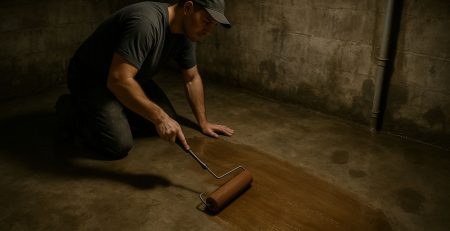
Before priming, ensure the surface is sound, clean and mechanically prepared. Remove weak laitance, dust, curing membranes, loose particles and contaminants. Repair honeycombing, damaged areas and other defects before priming.
Mr. Jo’s Insight:
A primer is designed to bond with concrete—not with dust, laitance or contaminants.
For most newly cast concrete flooring projects, Mr. Jo Eco Primer P50i is the preferred primer, providing reliable adhesion, excellent coverage and a fast recoat window to help projects progress efficiently.
Related: Moisture Concerns
I’m Working on an Existing Concrete Floor
“The floor has been here for years and still looks solid.”
Age alone does not determine whether a concrete floor is suitable for epoxy flooring. Existing floors may contain contaminants, previous repairs, surface wear or inconsistent absorption, which can affect primer selection.
Inspect the floor carefully. Remove loose material, unsound concrete, weak coatings, oil, grease and contaminants, and repair damaged areas before priming. The objective is to expose clean, sound concrete that can form a reliable bond.
Mr. Jo’s Insight:
Age rarely determines whether a floor is suitable for epoxy. Surface condition does.
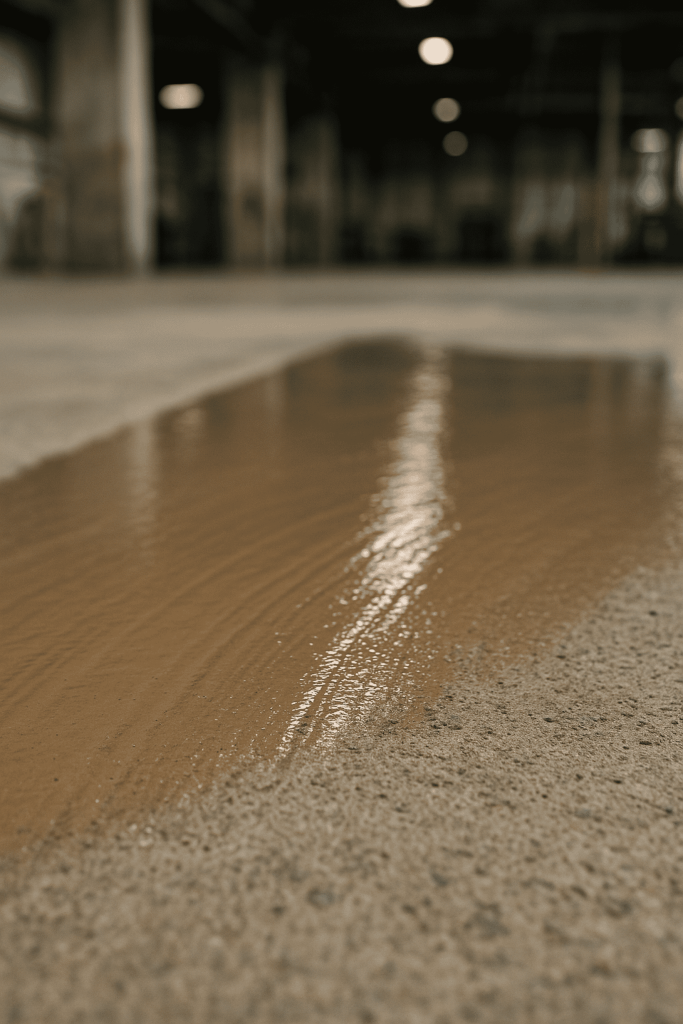
For most sound, properly prepared existing concrete floors, Mr. Jo Primer MVC provides a dependable foundation with a comfortable working time and a reliable barrier layer for the flooring system.
Related: Weak, Dusty or Highly Porous Concrete
My Concrete Is Weak, Dusty or Highly Porous
“The more we grind, the more dust keeps appearing.”
Surface preparation may reveal a substrate that is weak or highly porous. Excessive absorption, friable concrete and dusty surfaces require a different approach from dense, well-compacted concrete.
Remove loose material and ensure the substrate is structurally sound. If the concrete has deteriorated, complete the necessary repairs before priming. Primers can improve adhesion and consolidate the surface, but they cannot replace proper repairs.
Mr. Jo’s Insight:
When concrete absorbs primer too quickly, the substrate is telling you something.
Mr. Jo Primer LVC is designed to penetrate porous, dusty and highly absorbent concrete, helping strengthen the prepared surface before the flooring system is installed. Depending on the floor condition, multiple applications may provide better results than one heavy coat.
Related: Moisture Concerns
My Concrete Is Damp or Has Moisture Concerns
“The surface looks dry—but is it?”
Concrete can appear dry while still retaining enough moisture to affect flooring performance. Moisture can change how primers behave and should be considered before selecting the flooring system.
Standing water, weak concrete, loose material, contaminants and damaged areas must be addressed before priming. Primer selection should complement good preparation, not compensate for poor preparation.
Mr. Jo’s Insight:
Moisture changes the engineering—not just the chemistry.
Mr. Jo Primer UPS is developed for damp, moisture-affected and underprepared concrete, providing a dependable foundation where conventional primers may not be the best choice.
If you’re unsure about substrate condition or moisture level, Ask Mr. Jo before proceeding.
I Need a Fast Turnaround
“Production needs the floor back tomorrow.”
Fast-track flooring requires careful planning. Reducing downtime should never compromise long-term flooring performance.
Even when time is limited, surface preparation, repairs and cleaning remain essential. Skipping these steps rarely saves time—it usually postpones the problem until after the floor returns to service.
Mr. Jo’s Insight:
Fast-curing products reduce waiting time. They don’t reduce the importance of good preparation.
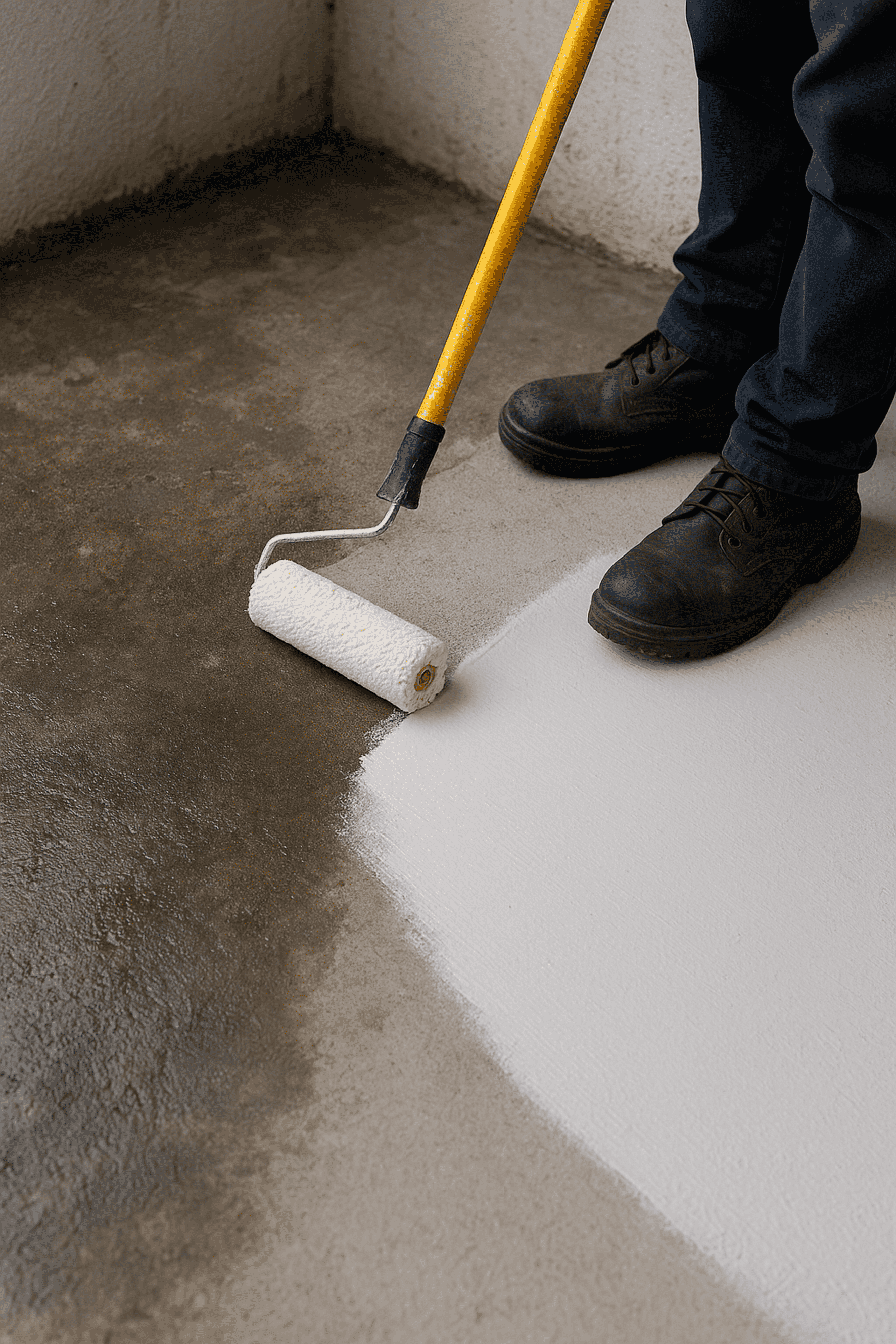
For projects requiring rapid progress, Mr. Jo Eco Primer P50i provides excellent coverage with a short recoat window, making it a preferred choice for many fast-track projects. Where a higher film build is preferred, Mr. Jo Bondkot STD offers an effective alternative.
I’m Refurbishing or Recoating an Existing Epoxy Floor
“Do I really need to remove the old epoxy?”
Not always. If the existing coating remains sound and well bonded, refurbishment can often restore appearance and performance without complete removal.
Preparation generally involves removing loose or poorly bonded coating, mechanically preparing the surface and repairing damaged areas before priming. If refurbishment exposes bare concrete, repaired sections or heavily worn areas, these conditions should be considered when selecting the primer.
Mr. Jo’s Insight:
Refurbishment isn’t about covering the old floor. It’s about creating a reliable foundation for the new one.
Where existing epoxy remains sound after preparation, Mr. Jo Eco Primer P50i or Mr. Jo Primer LVC can provide an excellent foundation before recoating.
Where refurbishment exposes extensive repairs or large areas of bare concrete, Mr. Jo Primer MVC may provide a stronger barrier layer. If moisture is present, Mr. Jo Primer UPS should be considered.
My Floor Is Different
Every flooring project is unique. If your floor does not fit these situations—or you’re unsure which primer is appropriate—Ask Mr. Jo.
Our team can help evaluate your substrate condition, engineering requirements and flooring application and recommend the primer best suited to your project.
Leave a Reply