Author - jpoxy_new_admin

Standard Flooring System BOMs

Eleven engineered flooring systems, each with a complete Bill of Quantities. Every floor is unique. Successful flooring systems are not created by selecting a product alone, but by understanding the condition of the existing substrate, the intended service environment and the performance expected from the finished...
Chemical Resistant Epoxy Coatings: How to Select the Right System

MR. JO Protectokot Range – Practical Selection Guide Chemical exposure can vary significantly from one industrial facility to another. Floors, walls, tanks, bunds and concrete structures may come into contact with acids, alkalis, solvents, petroleum products, wastewater or seawater. Choosing a chemical-resistant coating is therefore not simply...

Industrial Epoxy Flooring Solutions

Choosing the Right Epoxy Flooring System for Your Factory Selecting an epoxy flooring system is rarely about choosing between a floor coating, a 2 mm floor or a 3 mm multilayer system. More often, it is about comparing different recommendations. One contractor may recommend an epoxy floor coating. Another...

Cleanroom Epoxy Flooring & Surface Protection Systems

Practical Epoxy Solutions for Pharmaceutical, Biotechnology, Medical Device & Controlled Manufacturing Facilities A cleanroom is designed to maintain a controlled manufacturing environment. While air handling, filtration and environmental controls determine the cleanroom classification, the exposed surfaces within the facility play an equally important role in supporting...

MR. JO CHEMICAL RESISTANT COATINGS

A Practical Guide to Selecting the Right Chemical Resistant Epoxy System Chemical-resistant flooring and protective coatings are not selected simply by choosing the strongest product. The right system depends on what the coating will be exposed to, how severe the exposure is, whether the surface is...

Epoxy Floor Topcoats

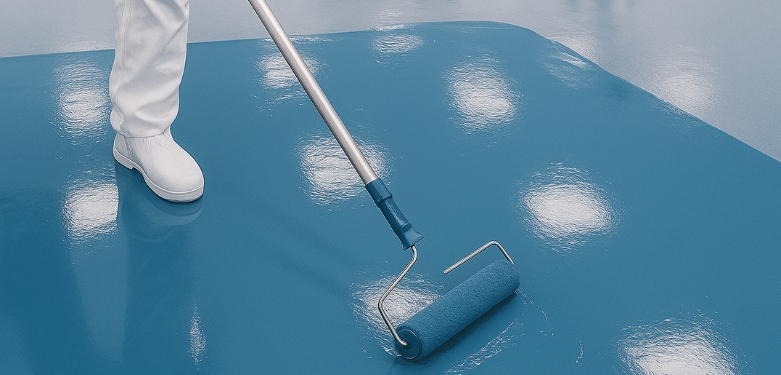
The Topcoat Is the Floor Your Business Experiences Every Day Often referred to as epoxy flooring, epoxy floor coating or epoxy floor paint, the topcoat is the finished layer of an epoxy flooring system. It is the surface people walk on, forklifts travel across, machines operate...

Floor Repairs Before Epoxy Flooring

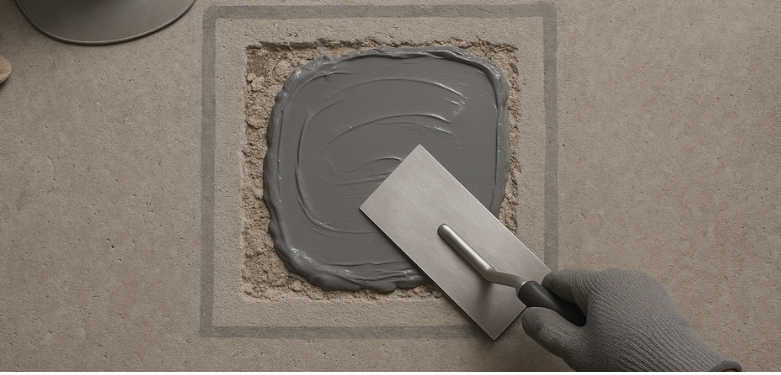
A Successful Epoxy Floor Begins with a Properly Repaired Concrete Floor When planning an epoxy flooring project, attention usually goes to the final colour, thickness and appearance. However, long-term performance is often decided much earlier. Cracks, potholes, damaged edges, uneven levels, porous concrete, contamination and moisture should...

Floor Underlays & Screeds

Not every millimetre in a flooring system performs the same job. Two flooring quotations may both describe a "3 mm epoxy floor", yet the flooring systems beneath that final surface can be very different. One may consist almost entirely of an expensive self-levelling epoxy, while another...

Flooring Primers

Choosing the Right Primer Starts with Understanding the Floor You're Working On Every flooring project begins with a substrate, but no two substrates are the same. Newly cast concrete, existing warehouse floors, porous or dusty concrete, damp surfaces and existing epoxy floors each present different challenges. Problems...

Antistatic Epoxy Flooring Systems Engineered Flooring Systems for Controlled Static Dissipation

Antistatic flooring is not defined by a conductive coating alone. Its long-term electrical performance depends on every layer of the flooring system—from substrate preparation and surface repairs to copper grid installation, conductive primer application and the final flooring layer. Whether the project requires a conductive floor...