

MR. JO JH 1030 — The chemical-resistant flooring hardener for factories, tanks and tough-service floors
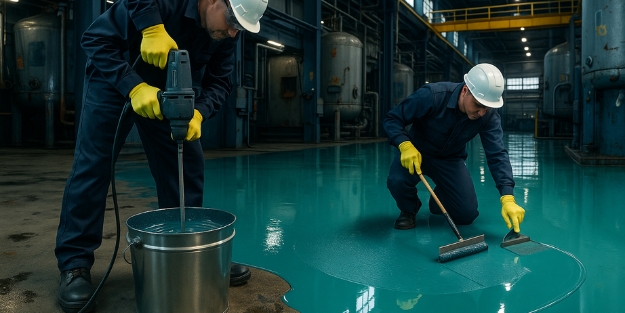
Rajesh was handed a job spec that read like a shopping list of nightmares: a processing plant floor that would see solvents, occasional fuel spills, heavy trolley traffic and chemical washdowns. Paints and ordinary flooring systems wouldn’t survive — the client needed a system that could take abuse without softening, blistering or losing adhesion. That’s the profile where JH 1030 earns its place: a modified aromatic polyamine hardener formulated for chemical-resistant, heavy-duty floors and industrial coatings.
Below is a field-tested, problem-solving guide that helps you decide when to use JH 1030, how to apply it, what tradeoffs to expect and how to avoid the common pitfalls that turn “spec compliance” into callbacks.
Quick technical snapshot
- Typical mix: ~60 phr with standard Bis-A epoxy resins (follow resin TDS).
- Viscosity: ~700–900 mPa·s @ 25 °C (medium viscosity).
- Amine value: ~260–280 mg KOH/g.
- Density: ≈1.12 g/cc.
- Colour (Gardner): ≤12.
- Primary use: Chemical-resistant industrial flooring, tank linings, anti-corrosive coatings, high-wear factory floors.
Near commercial equivalents (for reference, not claim): customers often compare this performance bracket to aromatic, chemical-resistant hardeners used in heavy industry.
The problem JH 1030 solves
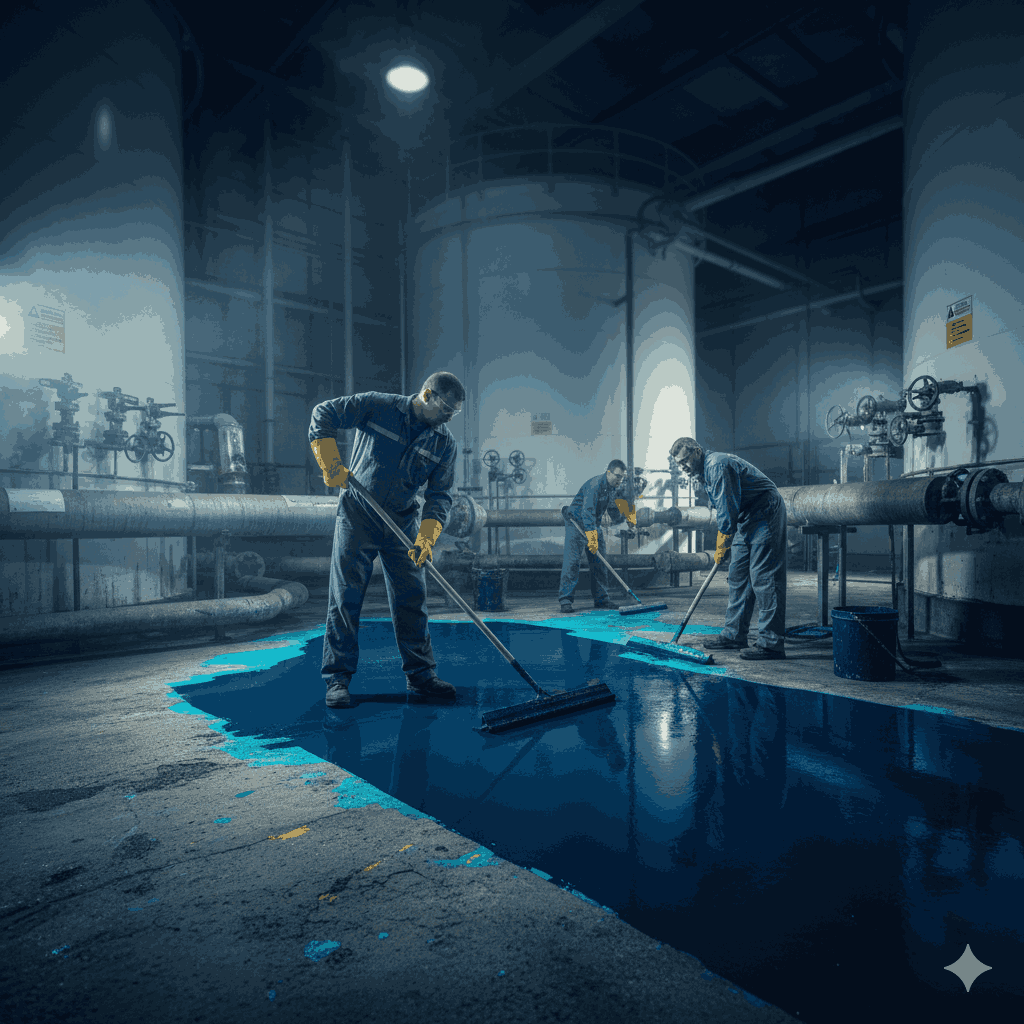
Industrial sites expose floors and linings to:
- aggressive solvents and hydrocarbons (fuels, lubricants),
- frequent chemical washdowns (acids, alkalis),
- heavy mechanical abrasion and impact, and
- temperature and humidity swings that can stress many systems.
Typical flooring hardeners trade off chemical resistance against flexibility or gloss. JH 1030 is balanced for high chemical resistance and mechanical durability while remaining workable for skilled applicators.
Why choose JH 1030 (practical benefits)
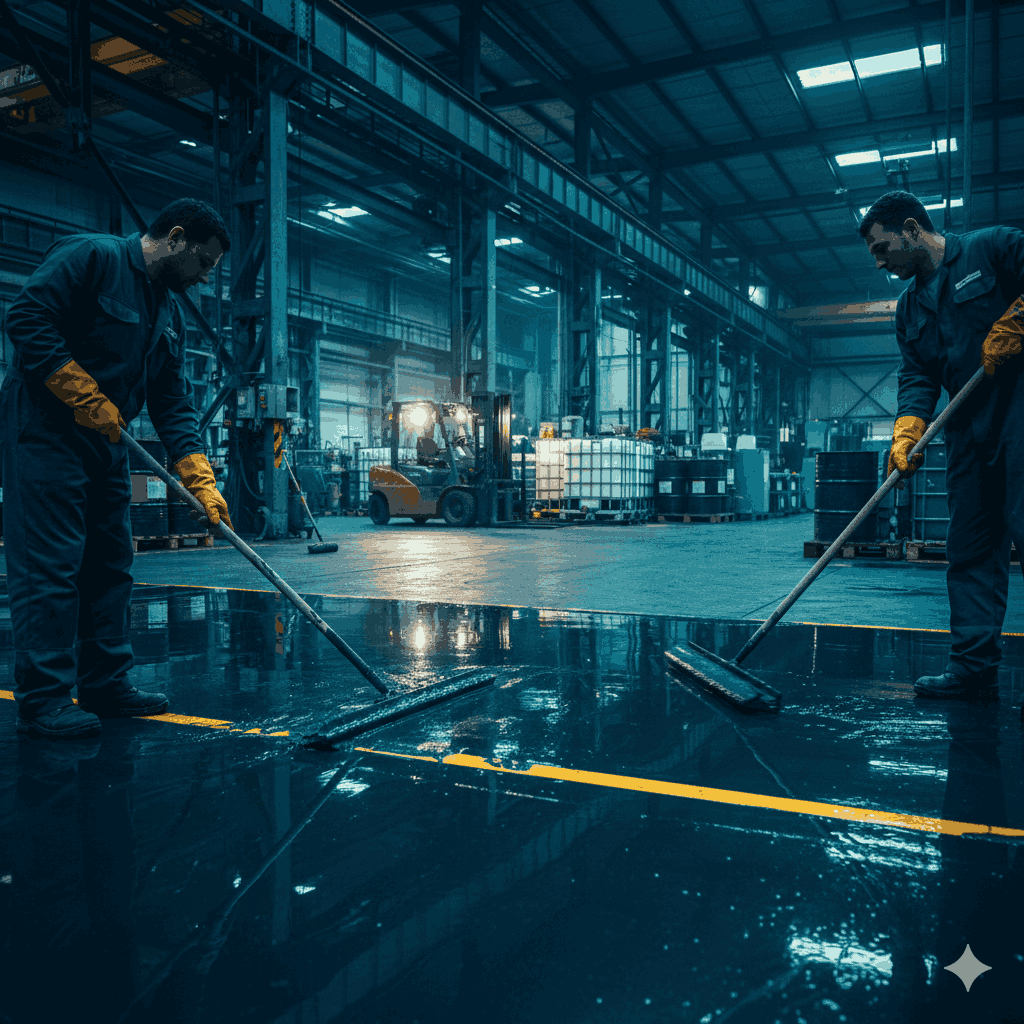
- Chemical resilience: The aromatic-modified chemistry gives superior resistance to a range of industrial chemicals compared with standard aliphatic polyamines.
- Mechanical strength: Builds hardness and abrasion resistance required in factories and workshops.
- Workable viscosity: At ~700–900 mPa·s it’s pumpable and blends well with fillers for screeds while still wetting substrates adequately for primers and thin coats.
- Project packs: Available in site-friendly sizes (1 / 5 / 10 / 20 kg) to reduce waste and simplify logistics on small and medium projects.
Jobsite workflow — how to use JH 1030 correctly
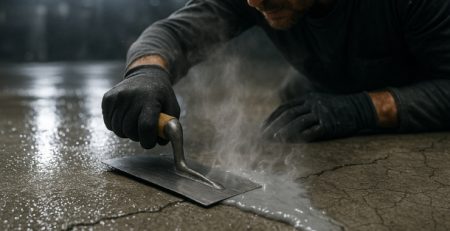
- Surface prep: Abrasive blast, diamond grind or acid-etch to specified profile; remove dust, oil and loose material. For old coatings, ensure adhesion via test cuts.
- Resin pairing: Use with Jpoxy JR series resins per the system TDS. Maintain recommended phr — do not under-dose.
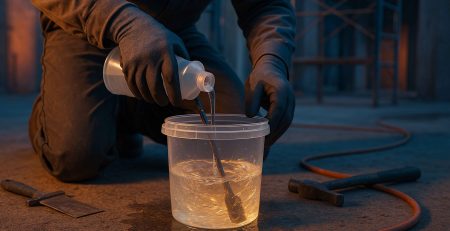
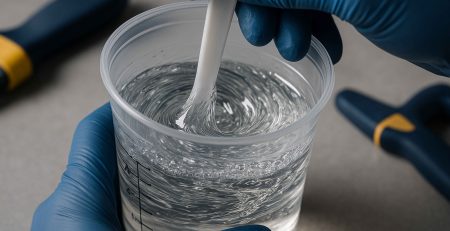
- Mixing: Measure accurately, pour hardener into resin and mix at low speed until homogeneous. Scrape sides and bottom. Avoid high-speed mixing that entrains air.
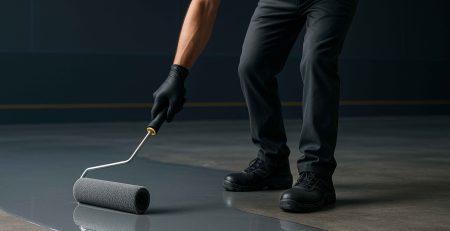
- Application:
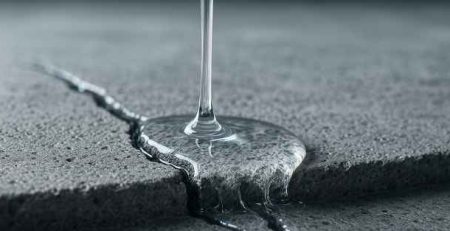
- Primer/Sealer: Thin coat to seal substrate and promote adhesion.
- Build coats / screed: For heavy loads use trowel applied mortars with appropriate fillers. JH 1030 tolerates higher filler loadings but always trial mix.
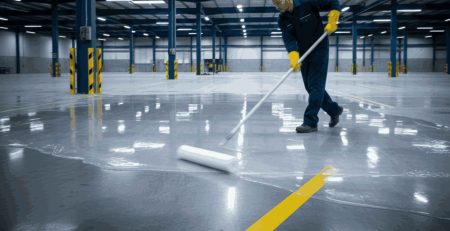
- Topcoat: Apply thin chemical-resistant coat after full cure of build layer per overcoating window.
- Cure management: Expect normal development of mechanical properties — early walk-on times will depend on ambient temperature and batch size.
Field tradeoffs & troubleshooting
- Short pot life at high temperature: Like most reactive aromatic hardeners, JH 1030 accelerates with heat — reduce batch size or cool materials.
- Stiff mixes with very high filler content: Increase mixing energy and verify filler coating; use recommended filler grades.
- Gloss or colour shift: The product has moderate colour (Gardner ≤12); for ultra-clear systems choose low-colour hardeners. Test pigments/pastes for compatibility.
- Film softening with aggressive solvents: If service involves concentrated solvents or extreme chemicals, validate full system resistance with chemical immersion tests — consider JH 1039 or alternative adducts for the highest resistance.
Compatibility, QA & safety
- Compatibility: Works well with JR unmodified and modified resins; check TDS for exact phr and pot life guidance.
- Quality control: Always perform a 1–5 kg site trial replicating substrate, pigment, filler and ambient conditions. Record pot life, tack-free time and hardness.
- Safety: Use PPE (gloves, goggles, respirator where needed), ensure adequate ventilation and follow the SDS. Handle aromatic hardeners with care to avoid skin sensitization.
Bottom line
When a project must survive solvents, fuels, acids and heavy traffic, JH 1030 is a practical, site-savvy choice: engineered for chemical resistance, mechanical durability and workable application. Use it with the right resin, respect stoichiometry, run a small site trial, and you’ll turn a risky spec into a reliable, long-lasting floor.



Leave a Reply