

MR. JO JH 1010 — The fast, cold-weather flooring hardener (and the accelerator you keep in your van)
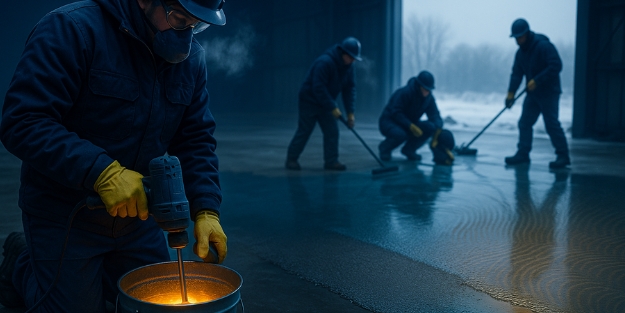
Picture this: a client books a weekend shutdown for a factory floor refit in a northern town. Temperatures are hovering near 8–10 °C, the production manager wants the floor back by Monday, and the applicator is nervous about slow cures and tacky films. That’s when JH 1010 earns its keep — a high-reactivity, blush-resistant modified polyamine designed to make epoxy flooring systems work in cold or time-critical conditions.
This blog gives you a field-ready, problem-solving rundown: why JH 1010 works, how to use it, what trade-offs to expect, and the quick checks that keep your job on schedule.
What problem does JH 1010 solve?
Epoxy flooring projects in cold climates or tight schedules commonly fail because:
- Slow cure at low ambient temperature delays return-to-service.
- Poor early hardness forces longer downtimes.
- Blushing / tacky films frustrate applicators in hot/humid zones when trying to speed things up with the wrong product.
- Large batches overheat or cure unevenly when accelerator choice is wrong.
JH 1010 is formulated to tackle exactly these pain points: it’s a low-to-medium viscosity (200–600 mPa·s) modified polyamine hardener with high reactivity (amine value ~300–400 mg KOH/g). Typical use is ~50 phr with standard Bis-A epoxy resins (follow your resin TDS).

Why choose JH 1010?
- Cold-friendly cure: Boosts reaction kinetics so you get a reliable cure even when ambient temperature is low.
- Blush resistance: Engineered to minimise amine-blush so you still get good gloss and adhesion when conditions are tricky.
- Blendable: Use as a stand-alone hardener for fast systems, or blend small proportions into JH 1001 to accelerate a standard flooring system while maintaining finish quality.
- Site packs: Available in project-friendly sizes (1 / 5 / 10 / 20 kg) so you can buy the right amount without hauling drums.
Practical jobsite workflow
- Decide your strategy — either use JH 1010 as the primary hardener for a fast system, or add a controlled percentage to JH 1001 to accelerate an established formulation. (Do not exceed blending advice in the TDS; always trial.)
- Condition materials — store resin and hardener in a warm place (above 15 °C) prior to mixing; cold materials slow chemical reaction and worsen handling.
- Batch size management — keep batch sizes small (1–5 kg) in cold weather. JH 1010 is reactive; smaller batches reduce exotherm risk and extend practical work time.
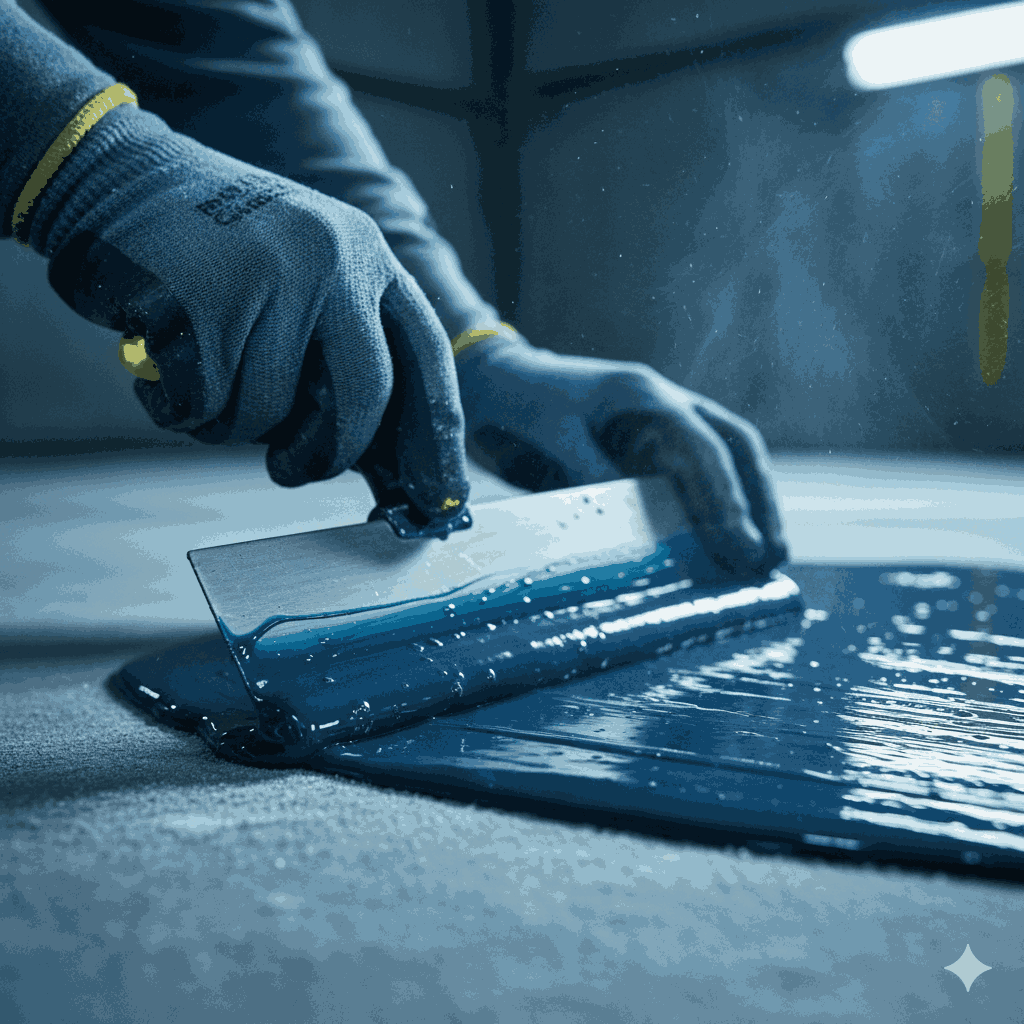
- Mixing — measure, pour, and mix slowly to avoid air entrainment. Use a low-speed drill with paddle; scrape container sides and mix for recommended time.
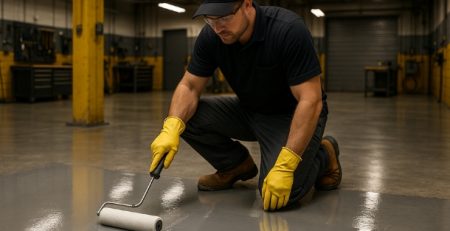
- Application — apply by roller/trowel per system. Expect faster gel and earlier walk-on: plan logistics accordingly.
- Cure & overcoat — follow the system’s recoat windows. Because early hardness builds swiftly, mechanical strength will come sooner, but full properties still develop over time.
Field trade-offs & troubleshooting
- Very short pot life? In warm conditions JH 1010 accelerates strongly — reduce batch size, cool materials, or lower accelerator proportion.
- Too fast to finish large pours? Use JH 1010 only where required; for big areas prefer JH 1001 or blend cautiously.
- Surface discoloration or gloss change? That’s uncommon with JH 1010 (blush-resistant), but always run a small mock-up to check colour and film appearance with pigments/aggregate.
- Poor adhesion or incomplete cure? Ensure stoichiometry is correct, mix thoroughly and verify substrate temperature and moisture are within spec.
Compatibility & best practice notes
- Resins: Designed to work well with JR series (unmodified & modified) — follow resin TDS for exact phr.
- Fillers / aggregates: JH 1010 is compatible with common fillers used in screeds and mortars; test for workability and build.
- Safety: Use nitrile gloves, goggles and adequate ventilation. High-reactivity hardeners can cause skin sensitization — follow SDS guidance.
- QA: Always run a 1–5 kg site trial under the same temperature and substrate conditions before full application.
Bottom line
If your project needs faster cure in cold weather, shorter return-to-service, or a way to tune a standard flooring system for seasonal work, keep JH 1010 in your toolkit. It’s the pragmatic accelerator contractors use when deadlines don’t wait for ideal temperatures — provided you respect batch sizes and do a quick site trial.



Leave a Reply