

MR. JO JH 1039 — When the job needs the toughest chemical resistance (and you need it fast)
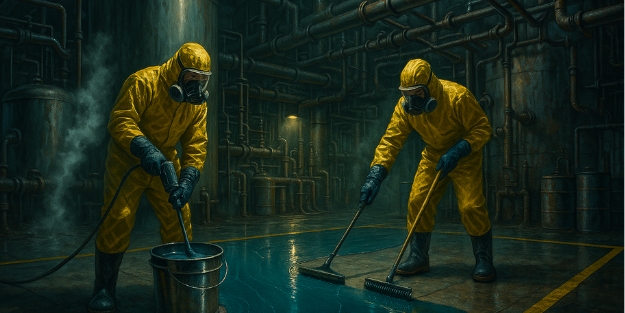
The brief sounded simple: a fuel-handling workshop with frequent hydrocarbon spills and regular solvent washdowns. Every coating tried so far softened or discoloured after a few months. The client needed a floor system that wouldn’t be a recurring cost. That’s where JH 1039 comes in — a high-function polyamine/adduct hardener formulated for extreme chemical resistance and high final hardness, designed for short-duration, high-performance repairs and linings.
This post explains when to pick JH 1039, how to apply it on site without surprises, the trade-offs you should expect, and practical troubleshooting.
Quick technical snapshot
- Product: JH 1039
- Typical phr: 20 (follow the system TDS for exact stoich.)
- Viscosity: 3,000–5,000 mPa·s @ 25 °C (relatively high)
- Amine value: 730–840 mg KOH/g (high functionality → high crosslink density)
- Primary uses: Fuel/chemical-resistant floor toppings, industrial tank linings, surfaces exposed to solvents, alcohols and hydrocarbons.
- Working note: Short pot life — plan small batches and tight logistics.
The problem it solves
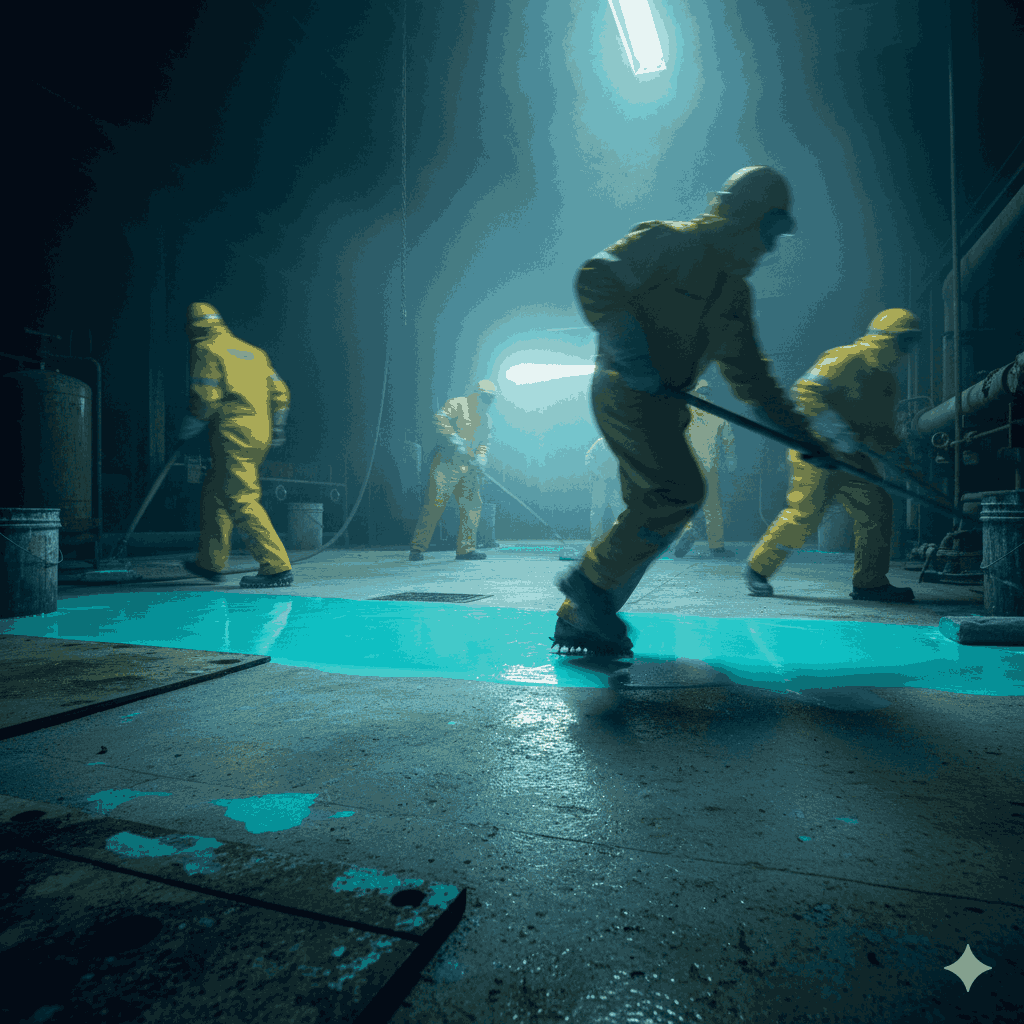
Many “tough” floors fail because their hardener simply isn’t designed to resist prolonged solvent, fuel or chemical contact. Symptoms you’ll see on failing systems:
- Softening or tackiness after fuel spills.
- Rapid gloss loss and yellowing in contact areas.
- Reduced abrasion resistance where chemicals attack the matrix.
- Frequent rework costs and production downtime.
JH 1039 is formulated to address those exact failure modes by delivering a densely crosslinked matrix with low swelling in aggressive media.
Why choose JH 1039 — practical benefits
- Top-tier chemical resistance. High functionality means fewer soft segments and a resilient network that resists fuels, solvents and many aggressive agents.
- High final hardness. Suited to areas with concentrated mechanical wear plus chemical exposure.
- Good adhesion potential. When paired with correct primers and substrate prep, it forms durable bonds to concrete and steel.
- Site packs available. Despite its specialist role, MR. JO supplies project-friendly pack sizes so you can trial or repair without buying drums.
How to use it on site — jobflow
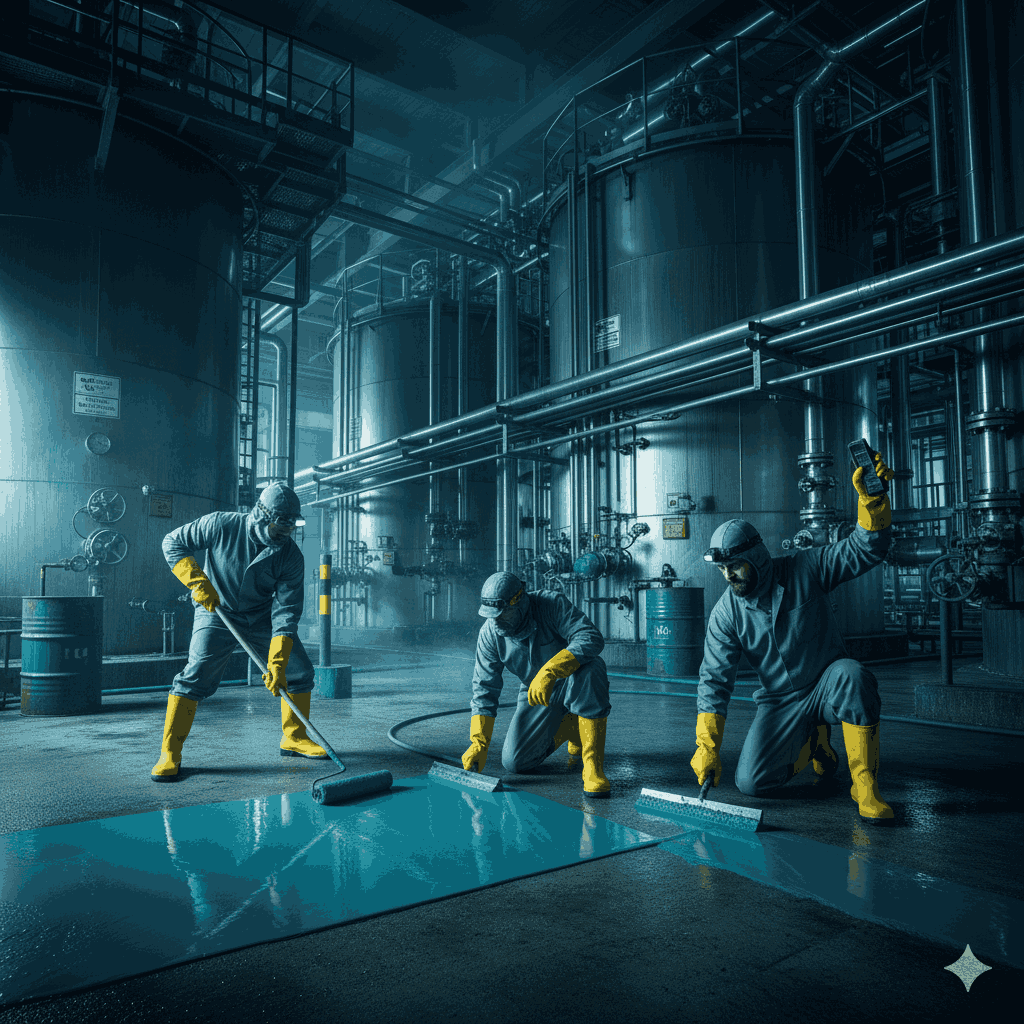
- Plan batch logistics: Expect short pot life. Pre-stage small containers, mixers, application tools and personnel. Best practice: 1–3 kg batches for manual work; use specialized metering equipment for larger pours.
- Substrate prep: Abrasive blast or diamond grind to get a clean, profiled surface. Remove oils and contaminants — solvent cleaning followed by blast is common in garages and fuel yards.
- Primer: Use an appropriate epoxy primer compatible with JH 1039 to seal and promote adhesion.
- Mixing: Measure accurately. Due to the low phr and high reactivity, ensure thorough but low-shear mixing to avoid entrained air.
- Application: Trowel or pour per system design. For thin chemical-resistant topcoats apply as specified; for mortar/screed systems, use appropriate graded fillers.
- Cure & post-cure: Early hardness will develop rapidly; full chemical resistance usually requires full cure (check TDS for times at temperature).
Field trade-offs & troubleshooting
- Very short working time: This is normal. Reduce batch sizes, cool components slightly (not below recommended storage temps), and ensure a practiced crew.
- High viscosity makes wetting fillers harder: Pre-wet fillers or use appropriate mixing equipment; consider a small % reactive diluent if the system TDS allows. Always test.
- Edge adhesion failures: Verify primer coverage and surface profile — JH 1039 demands excellent substrate prep for best results.
- Yellowing / colour: This grade is engineered for performance over appearance; if ultra-clear or low-colour finish is required, evaluate system trade-offs.
Safety & QA
- Use full PPE (gloves, goggles, respirator where ventilation is limited). High-functionality hardeners can be sensitizers.
- Conduct a site trial: a 1–5 kg mock-up with the actual substrate, fillers and environmental conditions to measure pot life, tack-free time and chemical resistance (spot test after cure).
- Record batch sizes, ambient temp, and substrate moisture for traceability.
Real-world note
A service station retrofit used a JH 1039-based system for pump islands and maintenance bays. After a 6-month exposure period involving multiple diesel and solvent spills, the owner reported no softening and much reduced maintenance downtime versus prior coatings — a good example of choosing performance over short-term convenience.
Bottom line
Choose JH 1039 when the environment demands highest-level chemical resistance and hardness and when you can plan for the short working window. It’s a specialist tool: use it for fuel bays, solvent-exposed areas and aggressive industrial environments — and save money long-term by avoiding frequent reworks.

Leave a Reply