

Cleanroom Epoxy Flooring & Surface Protection Systems
Practical Epoxy Solutions for Pharmaceutical, Biotechnology, Medical Device & Controlled Manufacturing Facilities
A cleanroom is designed to maintain a controlled manufacturing environment. While air handling, filtration and environmental controls determine the cleanroom classification, the exposed surfaces within the facility play an equally important role in supporting day-to-day operation, cleaning and long-term maintenance.
Floors, walls and wall-to-floor junctions are subjected to continuous cleaning, personnel movement, equipment traffic and routine maintenance. These surfaces should remain seamless, durable, easy to clean and capable of maintaining their integrity throughout the life of the facility.
At MR. JO, we focus on epoxy flooring, wall coatings, repairs and hygienic detailing for concrete and masonry substrates. Our role is to help create durable, maintainable surface systems that support clean manufacturing environments.
Understanding Cleanroom Surface Systems
Not every surface inside a cleanroom requires an epoxy coating. Selecting the appropriate system begins with understanding how the facility has been constructed.
| Surface | Typical Recommendation |
| Concrete Floors | MR. JO Eco Floor System |
| Concrete / Masonry Walls | MR. JO Wallkot HB |
| Factory Finished Sandwich Panels | Normally no additional coating required |
| Powder Coated Metal Panels | Existing finish generally retained |
| Wall-to-Floor Junction | MR. JO Epoxy Coving |
| Existing Epoxy Floors | Repair and Recoat where appropriate |
The objective is not to coat every surface. It is to ensure that every exposed surface contributes to a clean, durable and maintainable environment.
Typical Areas Within a Cleanroom Facility
- Personnel Change Rooms
- Gowning Areas
- Airlocks
- Material Airlocks
- Production Areas
- Processing Rooms
- Packaging Areas
- Service Corridors
- Equipment Rooms
Different areas may experience different traffic levels, cleaning procedures and operational requirements. The flooring system should therefore be selected according to the expected service conditions rather than applying a single solution throughout the facility.
Selecting the Right Flooring System
Cleanroom flooring does not require a different epoxy chemistry. It requires selecting the appropriate flooring system based on the condition of the substrate, operational requirements and available floor build.
Where the Existing Floor is Sound
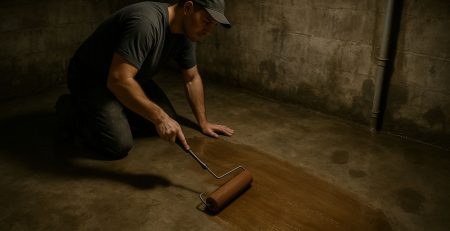
A 2 mm MR. JO Eco Floor System is generally the preferred recommendation for most cleanroom applications. It provides a seamless, durable and easy-to-clean finish suitable for controlled manufacturing environments while maintaining efficient installation.
Where the Floor Requires Surface Correction
Where the substrate contains undulations, repairs or requires rebuilding, MR. JO Eco Underlay is generally the preferred recommendation before applying the final flooring system.
Depending on the extent of correction required, the completed system typically consists of MR. JO Eco Underlay followed by a 1 mm MR. JO Eco Floor System. This approach allows substrate imperfections to be corrected before installing the final seamless flooring layer, resulting in improved appearance, easier installation and better long-term performance.
Where Door Clearances are Limited
Where existing door levels or equipment clearances restrict additional floor build, a 1 mm MR. JO Eco Floor System may be the preferred solution. Selecting the correct flooring thickness should always balance operational requirements with practical site constraints.
Existing Cleanroom Refurbishment
Where an existing epoxy floor remains structurally sound and the objective is to restore appearance with minimal disruption, MR. JO Floorkot HB provides an efficient recoating solution without introducing significant additional floor thickness. This approach is particularly useful where production downtime and door clearances limit more extensive refurbishment.
MR. JO Insight
Selecting the flooring thickness should be based on the condition of the existing substrate—not simply on a specification. A properly prepared substrate with the appropriate flooring system will almost always outperform unnecessary floor thickness.
Preparing the Substrate
No flooring system performs better than the surface beneath it.
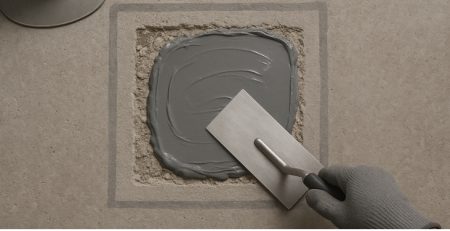
- Repaired where damaged.
- Primed using the appropriate MR. JO primer.
- Levelled where necessary using MR. JO Eco Underlay.
- Free from weak concrete, contamination and surface defects.
Proper preparation creates the foundation for a seamless flooring system capable of delivering long-term performance.
Wall Protection Systems
Concrete and masonry walls within cleanroom facilities benefit from a seamless epoxy wall coating that creates a durable, easy-to-clean surface capable of withstanding routine cleaning and maintenance.
MR. JO Wallkot HB is a solvent-free, no-VOC epoxy wall coating developed specifically for such applications.
Where cleanrooms are constructed using factory-finished insulated sandwich panels or powder-coated modular wall systems, additional wall coatings are generally unnecessary unless refurbishment or surface protection is required.
Why Solvent-Free, No-VOC Matters
During construction or refurbishment of controlled manufacturing environments, minimising solvent emissions is an important consideration.
MR. JO Wallkot HB and MR. JO Eco Floor systems are solvent-free, no-VOC epoxy systems, making them particularly suitable for interior cleanroom applications where clean installation practices are important.
Hygienic Detailing
A cleanroom is only as easy to maintain as its details. Particular attention should be given to:
- Floor-to-wall coving.
- Crack repairs.
- Surface defects.
- Construction joints.
- Drain details.
- Equipment bases.
- Wall penetrations.
Rounded epoxy coving creates a smooth transition between floors and walls, eliminating difficult-to-clean corners and simplifying routine maintenance.
Chemical & Antistatic Areas
Not every cleanroom requires specialised flooring. Where process conditions demand additional performance, the flooring system can be adapted accordingly.
Where aggressive cleaning chemicals or process chemicals are involved, explore our Chemical Resistant Flooring Systems.
Where electrostatic control forms part of the project specification, refer to our Antistatic Flooring Systems.
The flooring system should always reflect the operational requirements of the specific area rather than applying one specification throughout the facility.
Workmanship Matters
The long-term performance of a cleanroom flooring system depends as much on workmanship as on the materials selected.
- Proper surface preparation.
- Repairing cracks, pits and damaged concrete.
- Selecting the appropriate primer.
- Creating a smooth, defect-free substrate before flooring.
- Maintaining recommended application thickness.
- Allowing adequate curing before the area is returned to service.
Attention to these details contributes significantly to the durability and maintainability of the completed flooring system.
Related Engineering Guides
- Industrial Epoxy Flooring Systems
- Floor Repairs
- Flooring Primers
- Eco Underlay & Screeds
- Chemical Resistant Flooring Systems
- Antistatic Flooring Systems
- Wall Coating Systems
- Epoxy Coving Systems
Ask MR. JO
Every cleanroom project is different. Construction methods, substrate condition, traffic, cleaning procedures and operational requirements all influence the selection of the flooring and wall protection system.
Whether you are constructing a new cleanroom or refurbishing an existing facility, the MR. JO technical team can help recommend practical epoxy flooring and surface protection systems suited to your project.
Closing Thoughts
A cleanroom depends on more than controlled air. It depends on surfaces that remain seamless, durable and easy to maintain throughout the operational life of the facility.
Rather than treating flooring, walls and hygienic detailing as separate activities, they should be considered together as one integrated surface protection system.
At MR. JO, our objective is to help engineers, consultants, contractors and facility owners select practical epoxy systems that support clean manufacturing environments through thoughtful product selection, sound workmanship and long-term maintainability.



Leave a Reply