

MR. JO Protectokot – CRH Why Chemical Resistant Protective Coatings Are Essential for Industrial Plants
Industrial facilities are designed to withstand demanding operating conditions, but many of the chemicals used during manufacturing can slowly attack unprotected concrete and steel. Acids, alkalis, solvents and aggressive process chemicals may not cause immediate damage, but repeated exposure can gradually weaken surfaces, increase maintenance costs and reduce the service life of valuable assets.
This is where chemical resistant protective coatings play a critical role. Rather than simply improving appearance, these coatings form a durable barrier between the substrate and the process environment, helping protect structures from chemical attack and extending their operational life.
Not Every Epoxy Coating Offers the Same Chemical Resistance
Epoxy coatings are widely recognised for their excellent mechanical properties, abrasion resistance and adhesion. However, not every epoxy coating is designed to withstand aggressive chemical exposure.
A coating that performs exceptionally well in a warehouse or manufacturing facility may not be suitable for chemical processing areas where concentrated acids, alkalis or solvents are regularly handled.
Selecting a coating based only on hardness or appearance can result in premature coating failure, expensive repairs and unplanned shutdowns.
Where Chemical Resistant Coatings Are Required
High chemical resistant protective coatings are commonly used in:
- Chemical manufacturing plants
- Pharmaceutical facilities
- Acid and alkali storage areas
- Solvent handling and processing units
- Electroplating plants
- Battery manufacturing facilities
- Secondary containment and bund walls
- Chemical warehouses
- Laboratory process areas
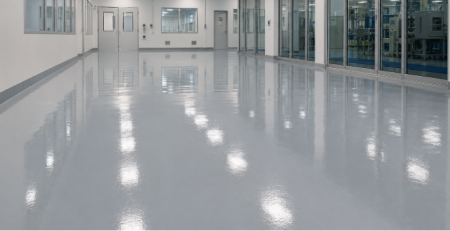
These coatings can be applied to concrete floors, walls, plinths, containment structures and other surfaces requiring long-term protection against aggressive chemicals.
Why Novolac Epoxy Technology?
For environments exposed to aggressive chemicals, specialised epoxy systems are often required.
Novolac epoxy technology is engineered to develop a highly cross-linked polymer network that provides significantly improved chemical resistance compared to conventional epoxy systems. These coatings are designed to cure at room temperature while offering excellent resistance to a wide range of acids, alkalis, solvents and industrial chemicals.
Introducing MR. JO Protectokot – CRH
MR. JO Protectokot – CRH is a high chemical resistant protective coating developed for industrial environments where conventional epoxy coatings may not provide adequate protection.
Based on advanced novolac epoxy technology, Protectokot CRH is designed for applications requiring resistance to aggressive chemicals while delivering a durable protective barrier for concrete and other industrial substrates.
Its relatively fast curing characteristics also make it suitable for maintenance projects where shorter application cycles are preferred.
Proven Resistance to Aggressive Chemicals
Chemical resistance is not determined by marketing claims but by performance against actual industrial chemicals.
The underlying novolac system used in Protectokot CRH demonstrates excellent resistance to chemicals such as:
- Concentrated Sulphuric Acid
- Concentrated Hydrochloric Acid
- Sodium Hydroxide
- Toluene
- Xylene
- Methanol
- Butanol
At the same time, it also highlights the importance of selecting coatings based on the actual process environment, as highly aggressive chemicals such as concentrated nitric acid and hydrofluoric acid require careful evaluation before application.
Chemical Resistance Depends on the Entire Process
The performance of any protective coating depends on several operating conditions, including:
- Type of chemical
- Chemical concentration
- Operating temperature
- Continuous immersion or occasional splash
- Frequency of exposure
- Cleaning procedures
- Mechanical wear
A coating suitable for occasional acid splashes may not be appropriate for continuous immersion in concentrated chemicals. Understanding the service conditions is therefore essential before selecting a protective coating.
Surface Preparation Remains Critical
Even the most advanced protective coating cannot compensate for poor surface preparation.
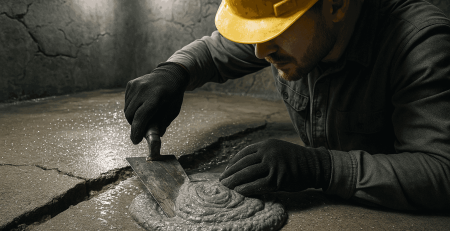
Concrete or steel surfaces should be properly prepared before coating application, and the appropriate primer or intermediate build coat should be selected based on the substrate condition and project requirements. Proper preparation ensures optimum adhesion and maximises the long-term performance of the protective coating system.
Protect More Than Just Floors
Chemical attack is not limited to industrial floors.
Walls, containment bunds, equipment foundations, process rooms and concrete structures can all be exposed to aggressive chemicals during normal plant operations. A comprehensive protection strategy considers every surface that may come into contact with corrosive chemicals.
Selecting the right protective coating helps preserve these assets, reduces maintenance costs and improves plant reliability over the long term.
Final Thoughts
Industrial protective coatings are an investment in asset protection rather than simply a finishing layer.
Where chemical exposure is part of the manufacturing process, selecting a coating engineered for aggressive service conditions can significantly extend the life of concrete and steel structures while reducing costly maintenance and production interruptions.MR. JO Protectokot – CRH has been developed to provide dependable chemical resistance for demanding industrial environments, helping industries protect the infrastructure that keeps their operations running.



Leave a Reply