26Nov
25Nov
25Nov
25Nov
MR. JO JR 3333 – Modified BPA Resin Optimized for Self-Leveling Epoxy Floors
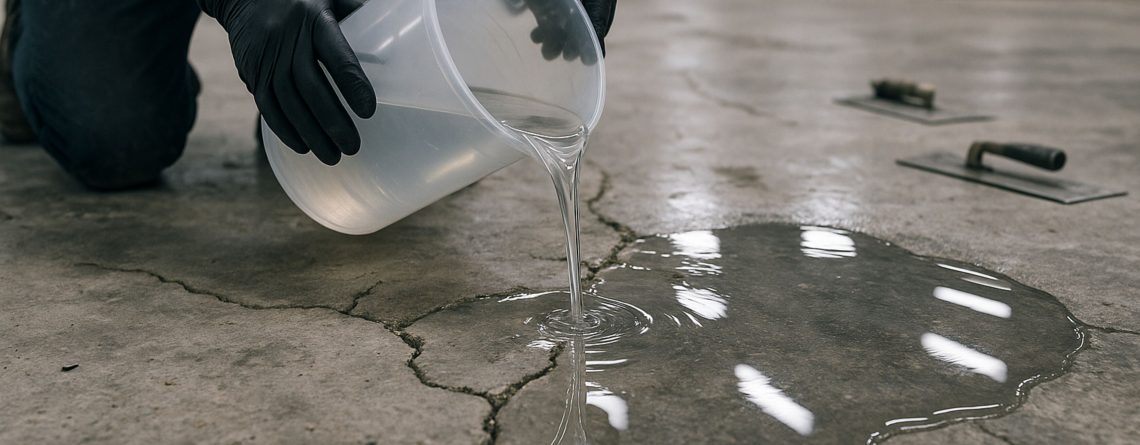
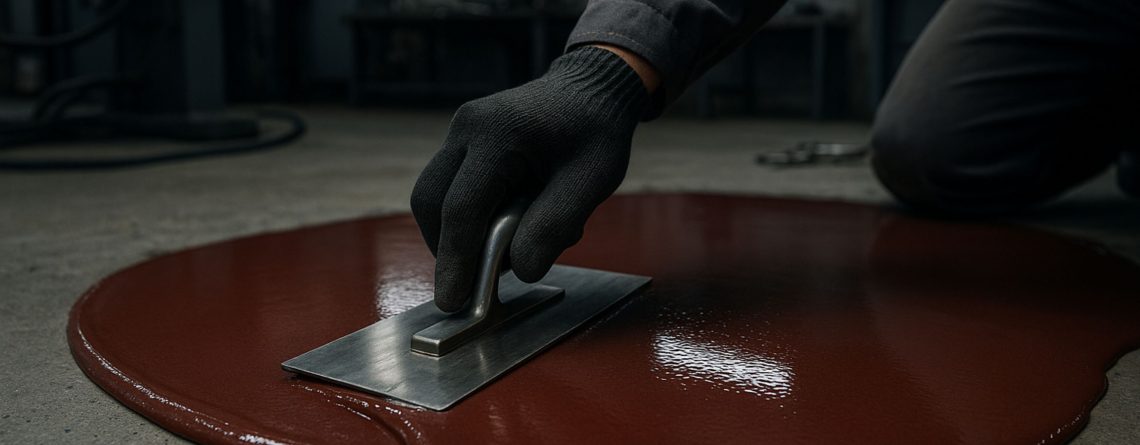
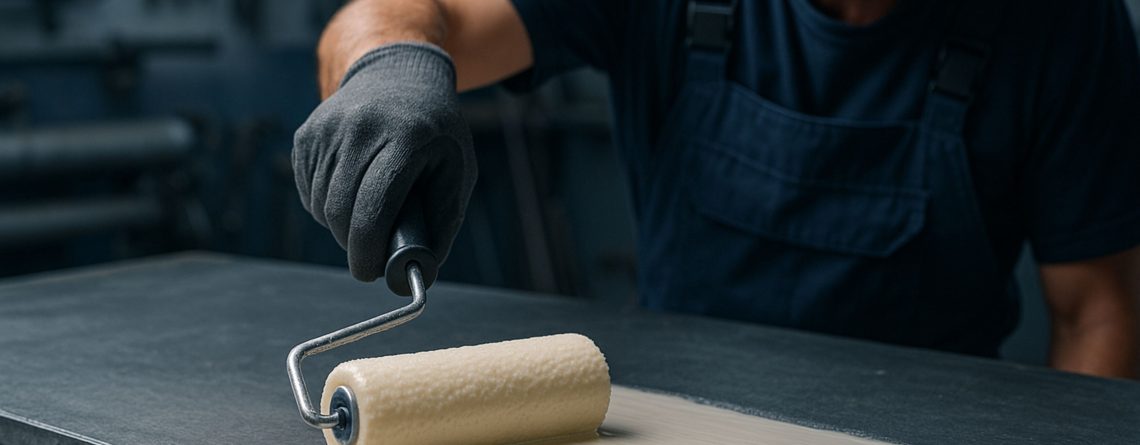
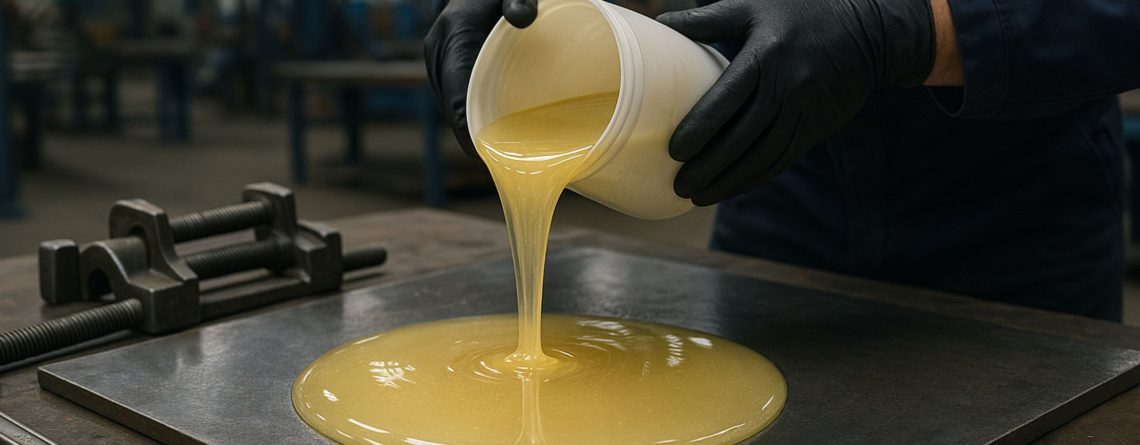
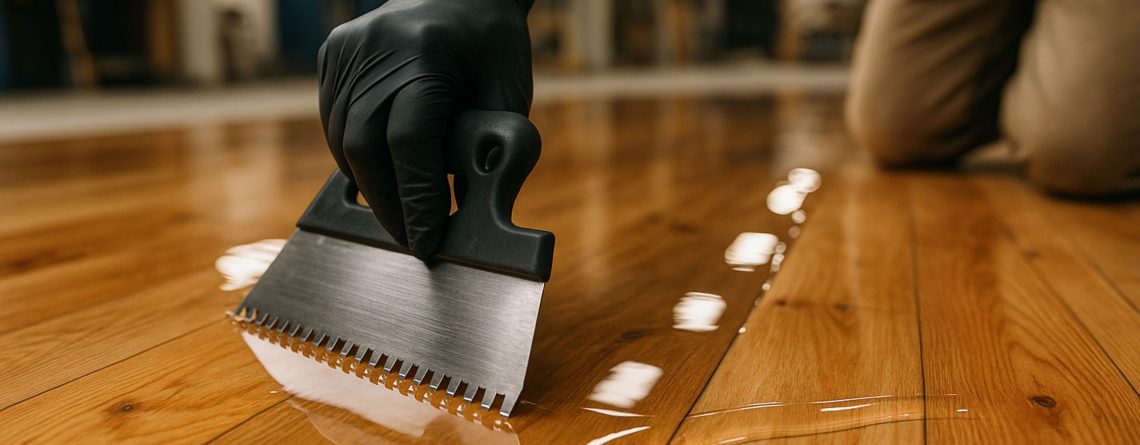
When it comes to epoxy flooring, one of the biggest formulation challenges is achieving smooth flow, uniform leveling, and bubble-free finishes. Standard resins often require additional additives and careful blending to reach this performance level.
JR 3333 solves this by...
25Nov
MR. JO JR 3253 – Modified BPA-BPF Epoxy Resin for Durable, Crystallization-Resistant Performance
In epoxy chemistry, formulators often face a classic challenge: balancing processing ease with long-term stability. While BPA-based resins are widely used, they are prone to crystallization under certain conditions. On the other hand, BPF-based resins bring better resistance but differ in handling and cost.
25Nov
MR. JO JR 3390 – General-Purpose BPF Epoxy Resin with Superior Resistance
Epoxy technology is diverse, but when formulators need a balanced resin offering good chemical resistance, reduced crystallization, and versatile performance across adhesives, laminates, and coatings, a Bisphenol-F (BPF) based epoxy resin becomes the go-to choice.
JR 3390 is a general-purpose,...
24Nov
MR. JO JR 5838 – High-Functionality Novolac Epoxy Resin for Extreme Performance
When applications demand superior chemical resistance, heat resistance, and mechanical durability, standard epoxy resins often fall short. That’s where JR 5838, a highly functional epoxy novolac resin, steps in.
Engineered for tough industrial environments,
24Nov
A Formulator’s Guide to Modified Epoxy Resins: JPOXY JR Series
Choosing the right epoxy resin is one of the most important formulation decisions for adhesives, coatings, flooring, and composite systems. Different projects demand different rheology, chemical resistance, cure profiles, and handling properties. JPOXY’s Modified Epoxy Resins...
24Nov
MR. JO Modified Epoxy Resins — Selector Guide (viscosity: high → low)
Use: pick by required rheology first (bead/hold vs flow/degas), then match diluent chemistry (aliphatic vs aromatic, mono vs di) to the end-use (weathering, chemical resistance, Tg).
Grade (link)EEW (g/eq)Viscosity @25 °C (mPa·s)Modifier / reactive diluentColour...
24Nov