

Floor Repairs Before Epoxy Flooring
A Successful Epoxy Floor Begins with a Properly Repaired Concrete Floor
When planning an epoxy flooring project, attention usually goes to the final colour, thickness and appearance. However, long-term performance is often decided much earlier.
Cracks, potholes, damaged edges, uneven levels, porous concrete, contamination and moisture should be addressed before primers, underlays and topcoats become part of the flooring system.
Skipping repairs rarely saves money. Existing defects can transfer into the new flooring system and become more expensive and disruptive to correct later. Proper repairs also improve the safety and service life of an existing concrete floor, even before epoxy flooring is installed.
Tell Us What Needs Repairing
My Floor Has Cracks
“We’ve found cracks in the concrete. Can we still install epoxy flooring?”
Yes—but cracks should be repaired before flooring begins.
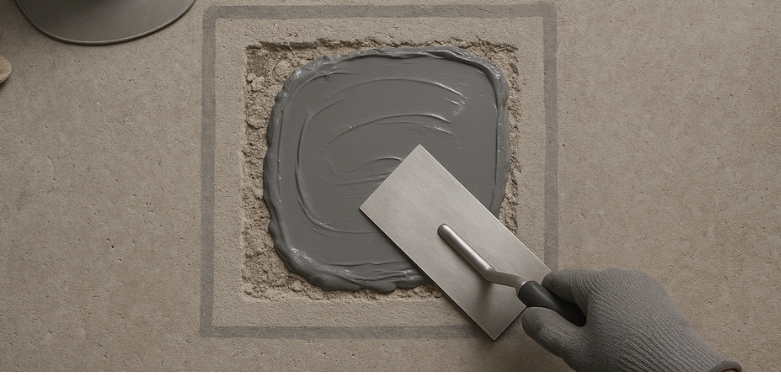
Surface cracks can usually be repaired using Mr. Jo Tecseal CRP. Where the concrete is damp or the repaired area will remain exposed, Mr. Jo Tecseal GRP is often preferred because it is designed for moisture-affected concrete and blends naturally with surrounding concrete.
Where cracks require a penetrating repair, use suitable Mr. Jo Bondkot LVC. Structural or moving cracks should always have their underlying cause corrected before installing the flooring system.
Mr. Jo Insight:
Repair the crack before building the floor. Epoxy flooring is designed to perform—not to hide defects beneath it.
Mr. Jo Options:
Mr. Jo Tecseal CRP | Mr. Jo Tecseal GRP | Mr. Jo Bondkot LVC
Continue Exploring: Bondkot Series | Tecseal Series | Flooring Primers
My Floor Has Potholes
“Can we simply apply epoxy flooring over damaged areas?”
No.
Remove loose and damaged concrete until sound concrete is exposed.
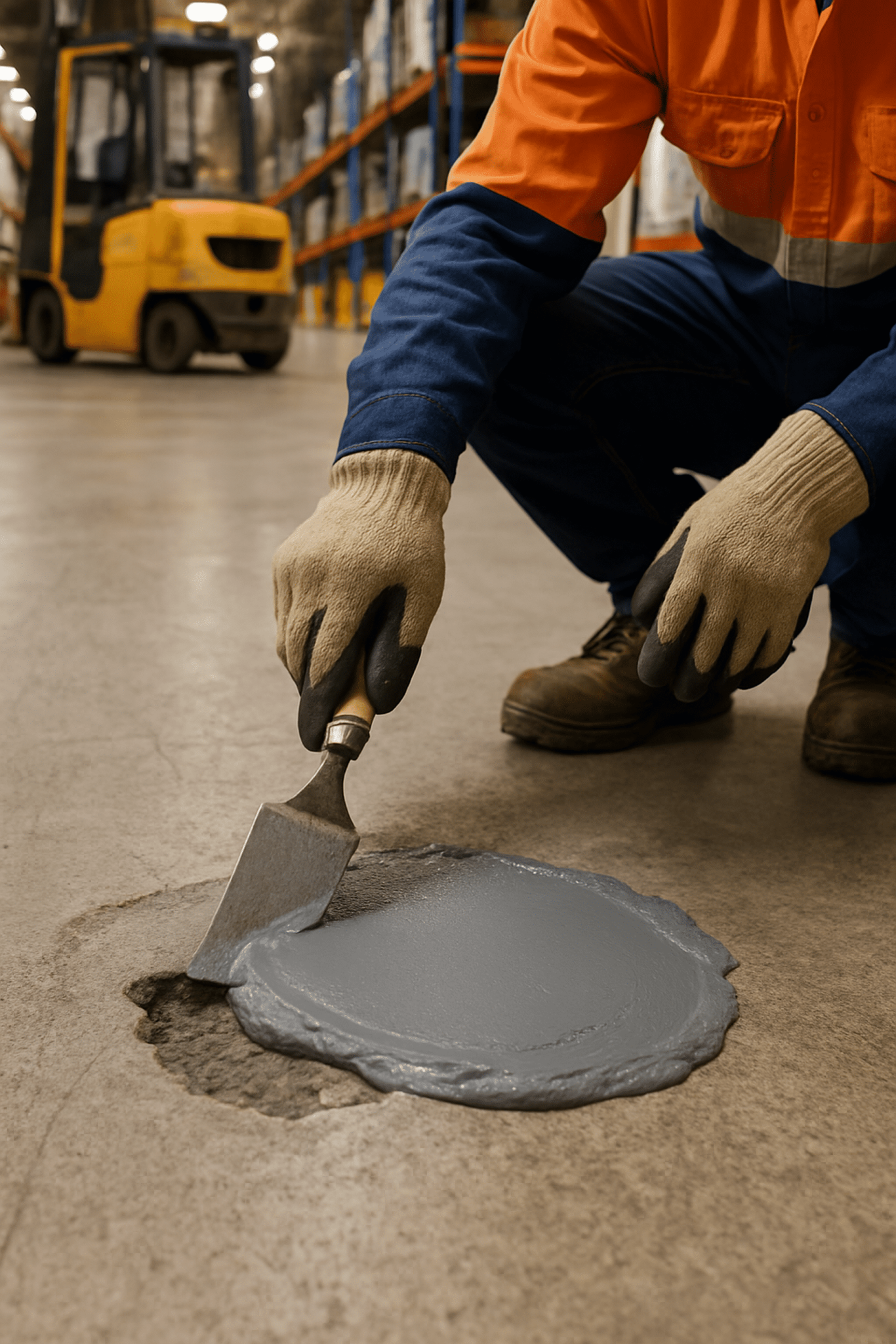
Small local repairs can usually be completed using Mr. Jo Tecseal CRP or GRP. Larger damaged areas should be prepared using a suitable Mr. Jo Bondkot system and rebuilt with Mr. Jo Underlay TMP before flooring begins.
Mr. Jo Insight:
Repair the concrete—not just the pothole. Every layer above it depends on the strength of the repair beneath it.
Mr. Jo Options:
Mr. Jo Tecseal CRP | Mr. Jo Tecseal GRP | Mr. Jo Bondkot Series | Mr. Jo Underlay TMP
Continue Exploring: Underlays & Screeds | Flooring Primers
My Floor Has Damaged Edges
“The edges around joints, drains and doorways are breaking away.”
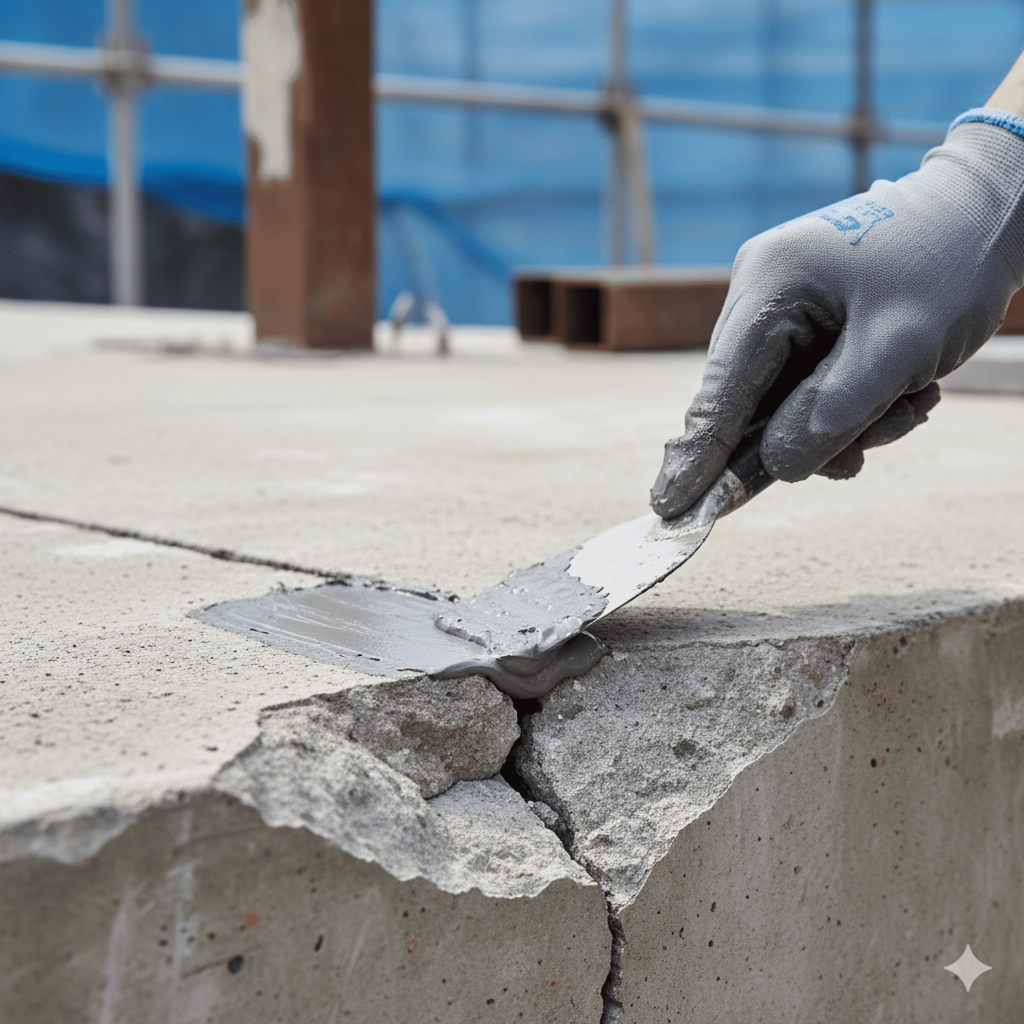
Damaged edges should be rebuilt before flooring.
Repair local damage using Mr. Jo Tecseal CRP or GRP. Where fresh concrete is cast against existing concrete, use a suitable Mr. Jo Bondkot bonding system before rebuilding the damaged area.
Construction and expansion joints should continue to perform their intended function after repair. Damaged edges should be rebuilt without preventing movement where it is required.
Mr. Jo Insight:
Strong edges protect the flooring system from repeated impact and premature damage.
Mr. Jo Options:
Mr. Jo Tecseal CRP | Mr. Jo Tecseal GRP | Mr. Jo Bondkot Series
Continue Exploring: Bondkot Series | Tecseal Series
My Floor Has Level Differences
“Some areas are lower than others. Can epoxy flooring correct the levels?”
No.
Epoxy flooring should not be expected to correct poor concrete levels.
Where level correction is required, rebuild affected areas using Mr. Jo Underlay TMP after appropriate surface preparation and bonding.
Mr. Jo Insight:
Correct the concrete first. Let the flooring system deliver performance—not compensate for poor workmanship.
Mr. Jo Options:
Mr. Jo Bondkot Series | Mr. Jo Underlay TMP
Continue Exploring: Underlays & Screeds
My Concrete Is Porous or Dusty
“The floor absorbs everything and continues to produce dust.”
Highly absorbent concrete should be sealed before flooring.
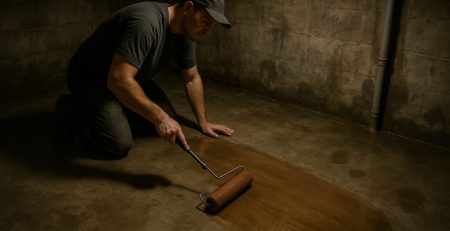
Flood the prepared surface using Mr. Jo Bondkot LVC, allowing the resin to penetrate and seal the pores. Highly porous concrete may require more than one application until adequately sealed.
Where the concrete itself lacks strength, remove weak material and rebuild the affected area before flooring.
Mr. Jo Insight:
Don’t let porous concrete rob the flooring system of the resin it needs to perform.
Mr. Jo Options:
Mr. Jo Bondkot LVC | Mr. Jo Underlay TMP
Continue Exploring: Bondkot Series | Flooring Primers
My Floor Has Contamination or Moisture
“Some areas of the floor are oily, chemically contaminated or still damp.”
Oil, chemicals and moisture should be addressed before flooring begins.
Remove contamination wherever possible. Where contamination has penetrated deeply into the concrete, rebuilding the affected area may provide a better long-term solution.
Where moisture remains a concern, prepare the substrate using Mr. Jo Bondkot UPS before continuing with the flooring system.
Mr. Jo Insight:
A clean, sound substrate gives every layer of the flooring system the best opportunity to perform.
Mr. Jo Options:
Mr. Jo Bondkot UPS | Mr. Jo Underlay TMP (where rebuilding is required)
Continue Exploring: Bondkot Series | Flooring Primers
My Existing Epoxy Floor Needs Repairs
“Can my existing epoxy floor be repaired and recoated?”
In many cases, yes.
Remove loose or damaged coating and inspect the concrete beneath. Repair defects, rebuild damaged areas where required and properly prepare the surface before applying the new flooring system.
If the existing floor remains structurally sound and only shows wear, fading or minor scratches, grinding and recoating may be sufficient.
Perfect colour matching between old and new epoxy flooring should not be expected. Where appearance is important, recoating complete sections generally provides the best visual result.
Mr. Jo Insight:
Repair the floor first. Recoating should complete the repair—not replace it.
Mr. Jo Options:
Mr. Jo Tecseal Series | Mr. Jo Bondkot Series | Mr. Jo Underlay TMP | Flooring Primers
Continue Exploring: Epoxy Flooring Primers | Underlays & Screeds | Epoxy Floor Topcoats | Product Pages | FAQ | Technical Data Sheets



Leave a Reply