

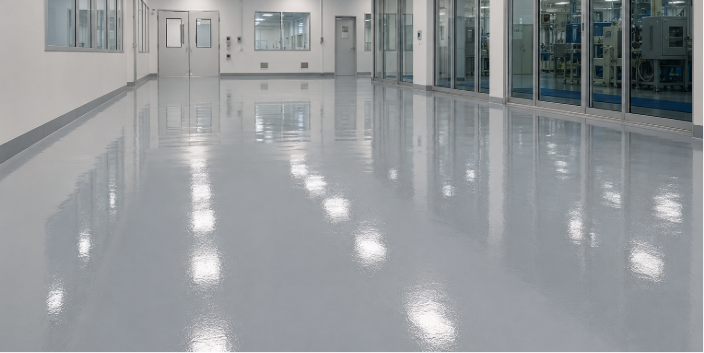
Antistatic Epoxy Flooring Systems Engineered Flooring Systems for Controlled Static Dissipation
Antistatic flooring is not defined by a conductive coating alone. Its long-term electrical performance depends on every layer of the flooring system—from substrate preparation and surface repairs to copper grid installation, conductive primer application and the final flooring layer.
Whether the project requires a conductive floor coating, 1 mm self-levelling floor or 2 mm self-levelling system, every component must work together to provide a continuous and reliable path for controlled static dissipation. This guide explains how Mr. JO Antistatic Flooring Systems are constructed, where they are typically used and the installation considerations that support consistent long-term electrical performance.
Building an Antistatic Flooring System
An antistatic floor should always be considered a complete engineered system rather than a conductive topcoat. Depending on substrate condition and flooring specification, the system may include:
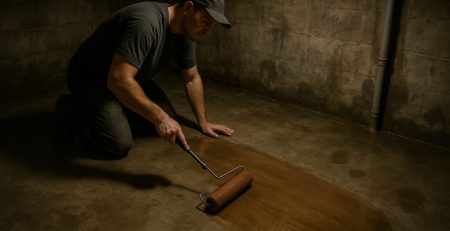
Surface Preparation : Remove previous coatings, contaminants, laitance and weak concrete to expose a clean, mechanically sound substrate.
Concrete Repairs : Repair cracks, potholes, damaged edges and surface defects before installing the conductive system. Complete rebuilding or level correction before introducing conductive components.
Primer : Apply the appropriate primer to obtain a sound, uniform substrate. Where required, conventional primers and screeds may be used to achieve a smooth, defect-free surface before installing the conductive network.
Copper Grid: The copper grid forms the grounding network. Grid layout, continuity, spacing and earth connections should comply with the project specification and applicable standards. A properly installed grid provides the electrical pathway for safe and consistent static dissipation.
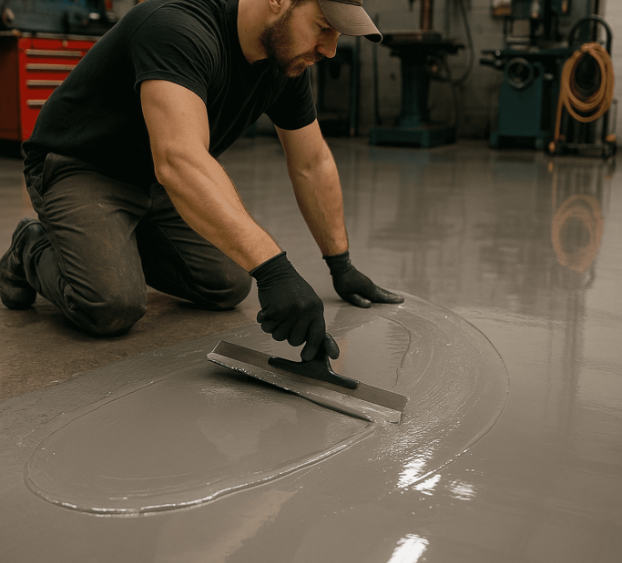
Mr. JO Primer AS : Mr. JO Primer AS forms the conductive bridge between the copper grid and final antistatic flooring system. Apply uniformly using a steel putty knife or trowel to create a continuous conductive layer. After curing, lightly abrade with fine sandpaper before the final flooring layer to remove any resin-rich surface film that may reduce electrical continuity.
Antistatic Topcoat: Depending on the project specification, use Mr. JO Floorkot AS, Mr. JO Floor ASL-1 or Mr. JO Floor ASL-2.
Mr. JO Insight: Electrical performance depends upon continuity throughout the complete flooring system. A conductive topcoat cannot compensate for poor substrate preparation, incomplete grounding or an improperly applied conductive primer.
Antistatic Epoxy Floor Coating
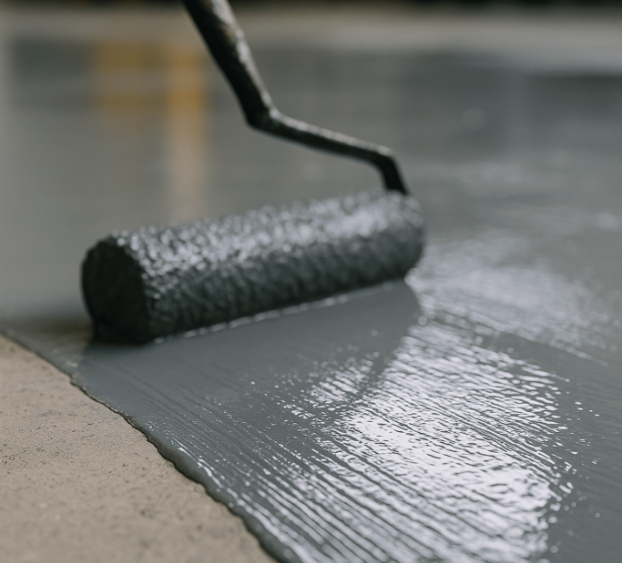
Positioning : Mr. JO Floorkot AS is a conductive epoxy floor coating for projects requiring antistatic performance without additional floor thickness. It is particularly suitable where the existing floor is already level and structurally sound.
Typical Applications : Electronics Assembly, Electrical Control Rooms, Instrumentation Areas, Pharmaceutical Production, Clean Manufacturing Areas, Inspection Rooms and Maintenance Facilities.
Typical System:
Surface Preparation → Repairs → Primer → Copper Grid → Mr. JO Primer AS → Mr. JO Floorkot AS
Mr. JO Insight: Where the existing floor provides a suitable working surface, a conductive coating can achieve the required electrical performance without unnecessary floor build.
1 mm Antistatic Self-Levelling Flooring
Positioning: Mr. JO Floor ASL-1 combines antistatic performance with a seamless self-levelling finish where additional floor build and improved surface uniformity are preferred, while maintaining controlled electrical properties.
Typical Applications: Electronics Manufacturing, Pharmaceutical Facilities, Precision Assembly, Component Manufacturing, Laboratories and Control Areas.
Typical System:
Surface Preparation → Repairs → Primer → Copper Grid → Mr. JO Primer AS → 1 mm Mr. JO Floor ASL-1
Mr. JO Insight: A self-levelling antistatic floor provides electrical performance and improved floor uniformity, making it suitable where appearance and cleanliness are important.
2 mm Antistatic Self-Levelling Flooring
Positioning: Mr. JO Floor ASL-2 is designed for installations requiring greater flooring build and controlled electrical performance. It is typically selected for a heavier-duty antistatic flooring system while retaining a seamless self-levelling finish.
Typical Applications: Semiconductor Facilities, Electronics Manufacturing, Defence Electronics, Cleanrooms, Pharmaceutical Production and High-Specification Manufacturing.
Typical System:
Surface Preparation → Repairs → Primer → Copper Grid → Mr. JO Primer AS → 2 mm Mr. JO Floor ASL-2
Installation Considerations
Consistent electrical performance depends upon careful installation throughout the project. Particular attention should be given to:
- Surface preparation and substrate repairs
- Copper grid continuity and grounding points
- Uniform application of Mr. JO Primer AS
- Light abrasion of the conductive primer before the final flooring layer
- Maintaining the specified flooring thickness
- Verification of electrical continuity after installation
Continue Exploring
Every antistatic flooring system begins with good substrate preparation.
Floor Repairs | Flooring Primers | Underlays & Screeds | Standard Industrial Flooring | Heavy Duty Flooring
Ask Mr. JO
Every antistatic flooring project is unique. Project specifications, grounding philosophy, electrical resistance requirements and installation details vary across industries and facilities.
For assistance in selecting the appropriate antistatic flooring system or developing a complete flooring specification, the Mr. JO technical team will be pleased to assist.
Closing Thoughts
An antistatic floor is only as reliable as the system used to construct it. Substrate preparation, repairs, conductive primer application, copper grid installation and the final flooring layer each contribute to stable and consistent electrical performance.
Whether the project requires a conductive coating, 1 mm self-levelling floor or 2 mm self-levelling system, the objective remains the same: to create a seamless flooring system that delivers dependable electrical performance throughout its service life.



Leave a Reply